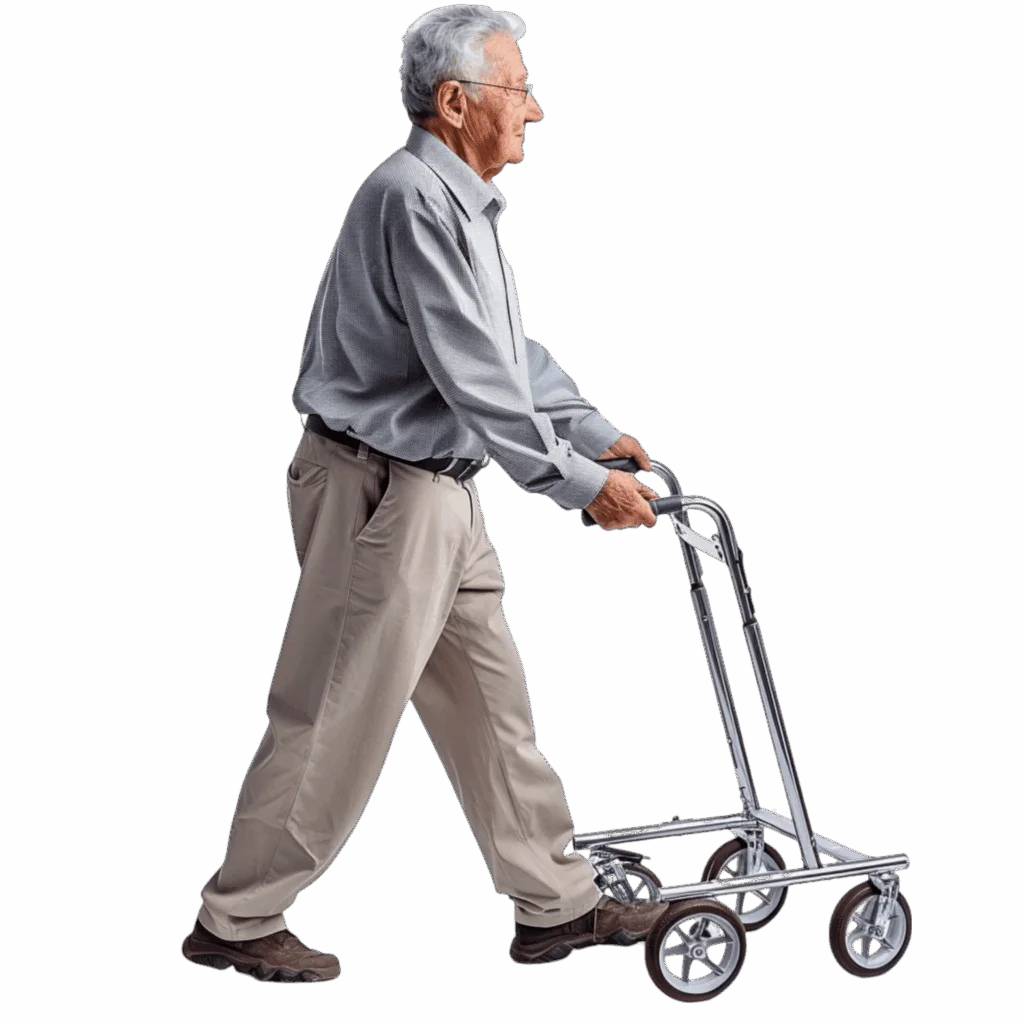
How to Adjust a Walker to the Correct Height: A Safety Checklist
The right walker height isn't just comfort; it's your first step toward safer, steadier movement.


Robin Dolan
Key Summary
Getting the height of your walker right isn't just about comfort; it's crucial for your posture, safety, and ability to walk independently. A walker set too high or too low can lead to slouching, fatigue, poor balance, and even dangerous falls. This guide provides a detailed, expert-backed checklist to help you measure and adjust your walker height, avoid common mistakes, and know when to seek professional assistance. We've also included a helpful table, image suggestions, and expert tips on walker safety and usage.
A proper walker height is essential for preserving good posture and preventing falls. Users frequently hunch forward when a walker is set too low, which can put strain on the neck and back over time. However, users may elevate their shoulders unnaturally if it is set too high, which can cause instability and discomfort. A natural arm position with a small elbow bend is ensured by proper height alignment, which improves walking stability. This is particularly crucial for people who need better posture control and depend on heavier models, like bariatric or heavy-duty walkers for seniors. Only when the walker is properly adjusted can it become an efficient extension of your body, lowering your need for upper-body strength and promoting a more fluid gait. It's also a crucial safety component, particularly in light of the various safety features that senior walkers usually have, which only work at their best when the walker is fitted correctly.
Easy Ways to Determine and Modify Your Walker Height
Step 1: Put on Your Regular Shoes
Always start the adjustment process in your normal walking shoes. The additional height provided by footwear, whether it be orthopedic, non-slip, or regular sneakers, can affect how a walker aligns. Ignoring this step frequently leads to poor calculations and, later, shoulder or back pain.
Step 2: Take a straight stance and relax your arms.
With both feet flat on the floor and arms at their sides, the user should assume a tall stance. Make sure all four tips (or wheels) of the walker are level with the floor when you place it directly in front of them. Leaning forward or slouching is not recommended; this natural posture aids in determining the ideal handle height.
Step 3: Adjust the Handle Height to the Wrist Crease
When the arms are relaxed, the walker's handgrips should be in line with the user's wrist crease, which is the area where the palm and forearm meet. When walking, this position guarantees that the elbows bend at a comfortable 15 to 20 degrees. An elbow angle that is more acute or extended may indicate that the walker is either too tall or too short.
Step 4: Press the Buttons for Adjustment
The majority of contemporary walkers come with movable legs that can be locked or twisted using push buttons. Make sure all four legs are at the same height by adjusting each one separately. Particularly on hard flooring, uneven legs can cause the walker to become unstable and increase the chance of tipping.
Step 5: Take a Walk to Check the Fit
Go for a quick stroll on level terrain. The user shouldn't pull the walker toward themselves or lean forward; instead, they should feel balanced. Readjust and try again if they feel like they're hunching over or their shoulders are lifting. Comfort and control while moving are crucial for people using more sophisticated models, such as rollators or senior stand-up walkers.
You can learn more about how to handle different walker types in our blog on Tips for Choosing and Using Walkers: A Comprehensive Guide.
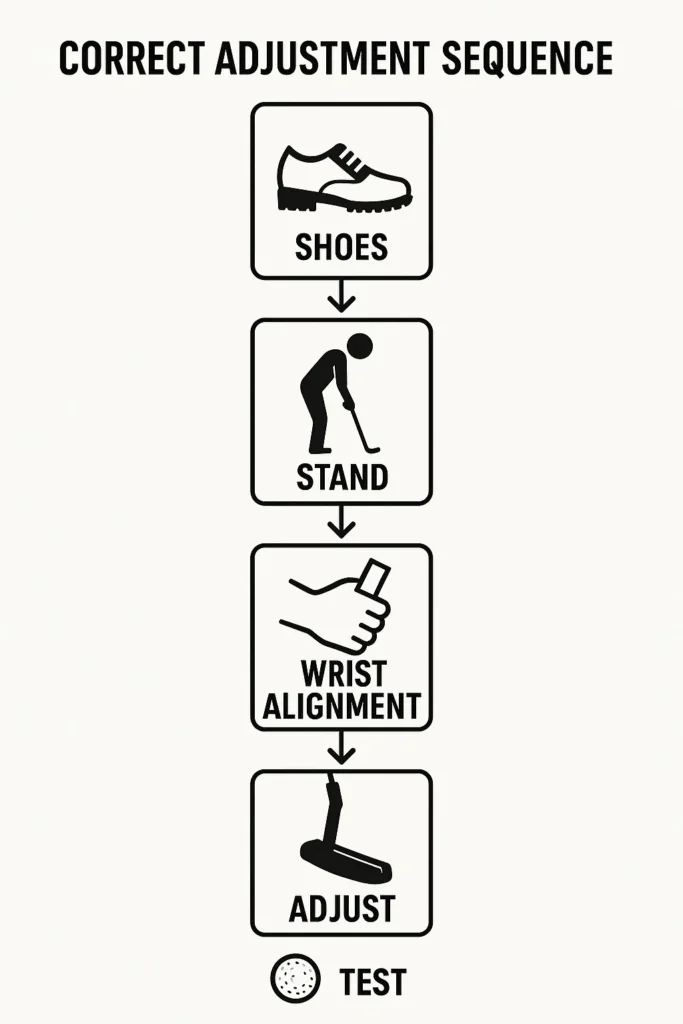
Walker Height Adjustment Safety Checklist
For a safe experience, these are the few checkpoints to make sure the walker is correctly set up and ready to go:
✔️Put on your normal walking shoes and walk for a while before the measurement.
✔️ Stand with the soles of your feet firmly on the ground, arms hanging down at your sides.
✔️ Stand the walker up in front of you so that all the feet or wheels are flat on the floor.
✔️ Confirm that the handgrips are straight with your wrist crease when your arms are hanging loose.
✔️ Extend each leg evenly with push-button and twist-lock adjustment.
✔️ Make sure elbows are bent to 15-20 degrees when holding the handles.
✔️ Try the walker out on a smooth surface to ensure it feels level and sturdy.
✔️ Is there any indication of poor alignment, shoulder tension, stooping, or arm fatigue?
✔️ Periodically recheck height, especially after new shoes or new health issues.
Typical Errors When Determining Walker Height
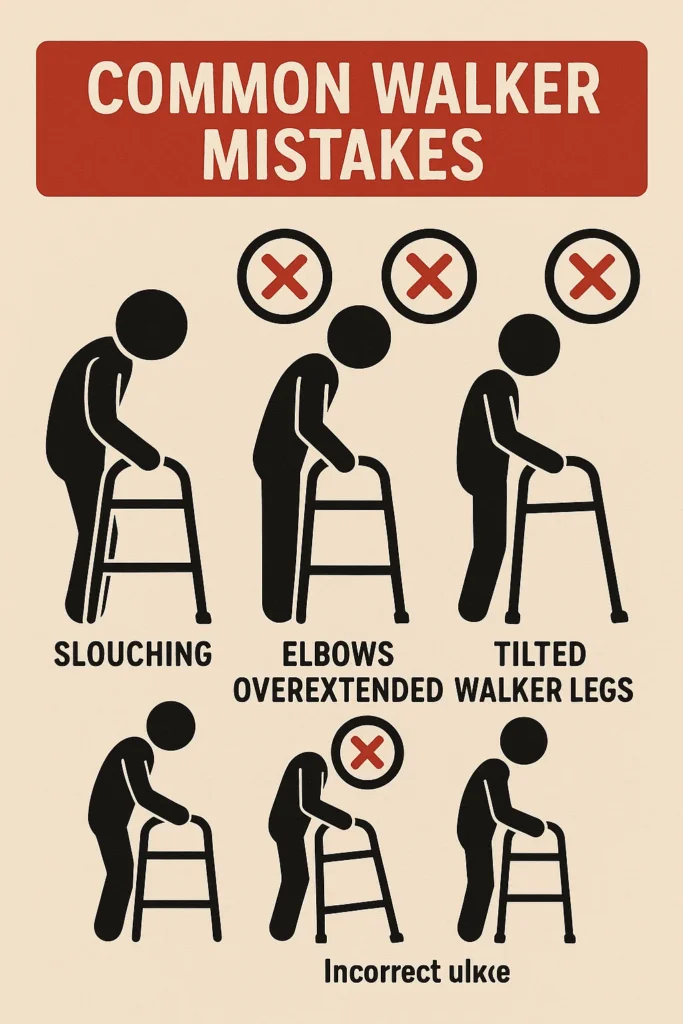
Unknowingly, a lot of users set their walker height based more on guesswork than on measurement. Setting the walker too high in the belief that it provides more support is a common mistake. In practice, this results in unsteady, uncomfortable walking patterns and shoulder fatigue. Similarly, lowering it too much makes one bend over, which raises the risk of falls and chronic back pain. Our blog post on how to use a Walker correctly addresses these posture-related mistakes.
Not adjusting the walker after switching to a new model is another error. For example, a completely different alignment strategy is needed when switching from a 4-wheel rollator to a bariatric heavy-duty walker. Users must constantly check the settings because different walker types have different handle heights, base widths, and centers of gravity.
Furthermore, a lot of people fail to take environmental changes into consideration. Your walker should be reassessed if you start going outside more often or if you wear shoes with thicker soles. Last but not least, some users neglect to check for even leg adjustment, which can lead to imbalance or tipping on wooden or tiled floors. Examine the safest walkers for seniors for a more secure and safe experience. These walkers typically have ergonomic handles and anti-tip features, but they still require the right height settings to function properly.
When to Seek Expert Assistance
Walker height can be changed at home, but in some circumstances, a healthcare provider should be consulted. People who have arthritis, are recuperating from surgery, or have one-sided weakness may have special postural requirements that aren't apparent to the typical user. To find the safest setup for your particular requirements, a mobility assessment can be performed by a physical therapist or occupational therapist.
Depending on your body mechanics, they might also advise switching from a standard walker to a more sophisticated or posture-supporting model, like a stand-up walker. Additionally, when utilizing mobility aids or adjusting them, people with dementia or cognitive impairment might need constant supervision. In these situations, carers ought to receive training on how to routinely check the walker settings. Seeing a professional once can help you avoid years of pain or injury, even if you are confident in your ability to adjust. Visit our blog to learn more about walker models that come with extra safety features: What Safety Features Are Common in Senior Walkers?
Walker Height Adjustment Table
Note: These ranges are estimates. Always perform a physical test using wrist alignment to confirm the best fit.
Frequently Asked Questions
Can health problems arise from improper walker height?
Indeed. Using a walker that is not properly adjusted over time can result in falls, joint pain, and strained muscles.
How frequently should I check the height of the walker again?
Every time you switch to a new walker model, change your shoes, or change your health, reevaluate.
What if the lengths of my arms differ?
A therapist can suggest a model with ergonomic grip positions or assist you in customizing your walker.
Do the ideal heights for various walker types vary?
Yes, particularly when comparing bariatric, rollator, and standard walkers. After switching, always measure.
Do carers need to be trained in walker adjustment?
Of course. Particularly for elderly people with dementia or vision problems, carers should be trained to check the height of walkers.

Final Thoughts
Although it might seem like a minor detail, posture, safety, and mobility are all greatly impacted by properly height-adjusting a walker. A properly calibrated walker lowers the risk of falls, increases walking confidence, and lessens strain. The majority of adjustments can be made at home, but when in doubt, don't be afraid to get expert advice. Your mobility will be safer and more efficient the more your equipment fits your body.

References
- MedlinePlus. (2024). Walker safety tips. Medline Resource: https://medlineplus.gov/ency/patientinstructions/000342.htm
- American Physical Therapy Association. (2023). Choosing the right assistive device. APTA https://www.choosept.com/