

Syed Ali
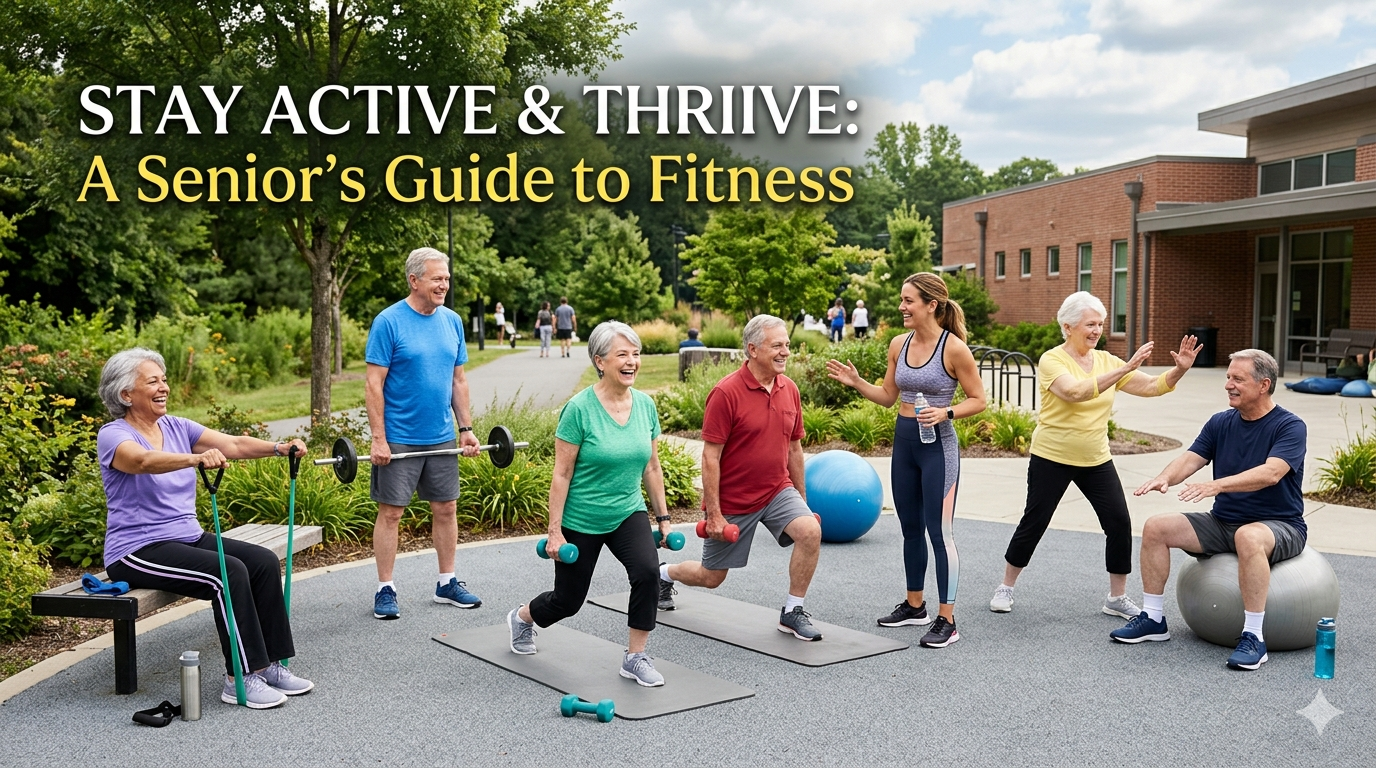
Exercise is not just for the young. In fact, the benefits of regular physical activity become even more significant as we age. For elderly adults, a consistent exercise routine can mean the difference between living independently and requiring full-time care. It can reduce chronic pain, prevent dangerous falls, sharpen memory, lift mood, and extend life expectancy.
The challenge for many seniors and caregivers is knowing where to start. What types of exercise are safe? How often should an elderly person exercise? What if they have arthritis, heart disease, or limited mobility? This guide answers all of those questions and provides practical, realistic exercise program ideas tailored to different fitness levels.
Seniors who remain socially active also tend to stay more physically engaged, so exploring Social Activities for Older Adults can further support mobility, mental wellness, and overall quality of life.
Table of Contents
Why Exercise Matters So Much for Seniors
The evidence is overwhelming: physically active seniors live longer, healthier, more independent lives. According to the CDC, regular physical activity in older adults:
- Reduces the risk of heart disease and type 2 diabetes by up to 35%
- Reduces the risk of falls by up to 30%
- Lowers the risk of depression and cognitive decline
- Helps maintain a healthy weight and muscle mass
- Improves sleep quality and energy levels
Muscle mass naturally declines at a rate of 3 to 8 percent per decade after age 30, and this rate accelerates after age 60. Without exercise, this muscle loss (called sarcopenia) leads to weakness, instability, and reduced ability to perform daily activities. Resistance training directly combats this decline.
Exercise also supports posture, spinal alignment, and walking mechanics. Seniors struggling with posture-related discomfort may benefit from reading Understanding Upright Walkers: How They Improve Senior Posture, especially when combining posture support with strengthening exercises.
The 4 Types of Exercise Every Senior Needs
Cardiovascular
Aerobic exercise gets the heart pumping and improves cardiovascular health, stamina, and weight management. For seniors, low-impact options are best to protect joints.
- Walking — the most accessible, low-impact aerobic exercise available
- Swimming or water aerobics — excellent for those with arthritis or joint pain
- Cycling (stationary or outdoor) — gentle on knees and hips
- Dancing — fun, social, and proven to support cognitive health
Goal: 150 minutes of moderate aerobic activity per week (about 30 minutes, 5 days per week)
Walking is especially effective when paired with proper footwear. Wearing supportive shoes significantly improves balance, posture, and walking confidence. Learn more in Why Seniors Need Proper Walking Shoes and How to Choose Walking Shoes for Balance and Stability, especially for seniors with mobility concerns or a history of falls.

2. Strength (Resistance) Training
Strength training preserves muscle mass, increases bone density, improves balance, and makes daily tasks like carrying groceries or climbing stairs easier and safer.
- Chair squats — stand and sit from a sturdy chair to build leg and core strength
- Wall push-ups — upper body strength without floor work
- Resistance band exercises — gentle on joints, highly adaptable
- Light dumbbell exercises — bicep curls, shoulder press, lateral raises
Goal: 2 to 3 sessions per week targeting all major muscle groups
Strength training is particularly important for seniors recovering from illness, surgery, or prolonged inactivity because it rebuilds stability and functional independence.

3. Balance and Stability Exercises
Balance training is perhaps the most critical exercise category for fall prevention — a major health concern for elderly adults. Even a few minutes of balance work daily can significantly reduce fall risk.
- Standing on one foot (near a wall for safety) — 10 to 30 seconds each side
- Heel-to-toe walking — walk in a straight line, placing the heel directly in front of toe
- Side leg raises — standing, holding a chair for support
- Tai Chi — a proven, gentle practice that dramatically improves balance and reduces falls
Goal: Balance exercises at least 3 days per week, ideally daily
Balance issues are not always caused solely by weak muscles. In some cases, cardiovascular conditions can contribute to dizziness, fatigue, or instability. If you notice unexplained balance problems, read Can Heart Issues Increase Fall Risk in Seniors? to better understand the connection between heart health and fall prevention.

4. Flexibility and Stretching
Flexibility exercises maintain range of motion, reduce stiffness, improve posture, and lower injury risk during other activities.
- Seated forward bend — stretches hamstrings and lower back
- Shoulder and neck rolls — relieve tension from long periods of sitting
- Calf stretches against a wall — important for mobility and fall prevention
- Yoga — specifically, gentle or chair yoga classes designed for seniors
Goal: Stretching after every exercise session and daily if possible

Sample Weekly Exercise Plan for Seniors
| Day | Activity | Duration |
|---|---|---|
| Monday | 30-min walk + stretching | 35 minutes |
| Tuesday | Strength training (chair squats, resistance bands) | 30 minutes |
| Wednesday | Tai Chi or balance exercises | 20–30 minutes |
| Thursday | Water aerobics or gentle cycling | 30–40 minutes |
| Friday | Strength training + stretching | 30 minutes |
| Saturday | Walk or dance class | 30 minutes |
| Sunday | Rest or gentle yoga/stretching | 15–20 minutes |
Exercise Tips for Seniors with Health Conditions
Arthritis
Focus on low-impact activities such as swimming, water aerobics, and chair exercises. Avoid high-impact activities like running or jumping. Warm up thoroughly before exercise and stop if you experience sharp joint pain.
Heart Disease or High Blood Pressure
Always get physician clearance before starting a new exercise program. Walking, swimming, and gentle cycling are typically well-tolerated. Monitor heart rate and avoid overexertion. Never exercise to the point of chest pain or severe shortness of breath.
Osteoporosis
Weight-bearing exercises like walking and gentle strength training actually help maintain bone density. Avoid forward-bending exercises that could strain the spine. Balance training is especially important to reduce fracture risk from falls.
Limited Mobility or Wheelchair Users
Chair-based exercise is highly effective and adaptable. Seated arm circles, chair yoga, resistance band exercises, and seated marching are all excellent options that can be performed safely without standing.
Frequently Asked Questions
How much exercise should a 70-year-old get?
The CDC recommends that adults over 65 get at least 150 minutes of moderate-intensity aerobic activity per week (such as brisk walking), along with muscle-strengthening activities on 2 or more days per week, and balance exercises to prevent falls.
Is it safe for elderly people to lift weights?
Yes, when done correctly and at an appropriate intensity, light to moderate resistance training is safe and highly beneficial for elderly adults. It builds muscle, strengthens bones, and improves daily function. Starting with bodyweight exercises or light resistance bands is ideal.
What is the best exercise for an 80-year-old?
Walking remains the most accessible and well-tolerated exercise. Tai Chi is specifically recommended for fall prevention in older adults. Chair exercises are excellent for those with limited mobility. The best exercise is the one the senior enjoys and will actually do consistently.
Should seniors exercise every day?
Daily activity is beneficial, but vigorous exercise should have rest days. A mix of moderate daily activity (walking, stretching) and structured exercise sessions 3 to 5 times per week is ideal. Listen to the body and rest when needed.
What exercises should seniors avoid?
Seniors should generally avoid high-impact activities (running on hard surfaces, jumping), heavy overhead lifting without proper guidance, exercises that cause pain or sharp discomfort, and activities with high fall risk like contact sports or uneven terrain walking without support.
-
Final Thoughts
Starting or maintaining an exercise program is one of the most empowering choices an elderly person can make for their health and independence. The perfect exercise plan does not have to be complicated or intense; consistency and safety matter far more than intensity.
Begin with what feels manageable, celebrate every small win, and gradually build up over time. Whether it is a short daily walk, a chair yoga session, or a twice-weekly swim, every bit of movement counts. The Walker Advisor is here to support seniors and caregivers with practical, evidence-based guidance every step of the way.
-
References
National Institute on Aging – Exercise and Physical Activity: https://www.nia.nih.gov/health/exercise-physical-activity
American College of Sports Medicine – Exercise Guidelines for Older Adults: https://www.acsm.org
Mayo Clinic – Senior Fitness: https://www.mayoclinic.org/healthy-lifestyle/fitness/basics/fitness-basics/hlv-20049447