
Robin Dolan
Seniors must maintain proper posture to avoid back pain, enhance their balance, and lower their risk of falling. Walking and standing comfortably become more difficult as we age due to a decline in muscle strength and possible changes in spinal alignment. These problems are addressed by upright walkers, which provide seniors with a safer and healthier means of maintaining their mobility. We discuss the advantages of upright walkers, how they operate, and how to choose the best one in this blog.
For a complete guide to the top products, check out our 5 Best Upright Walkers for Seniors blog.
Table of Contents
What is an Upright Walker?
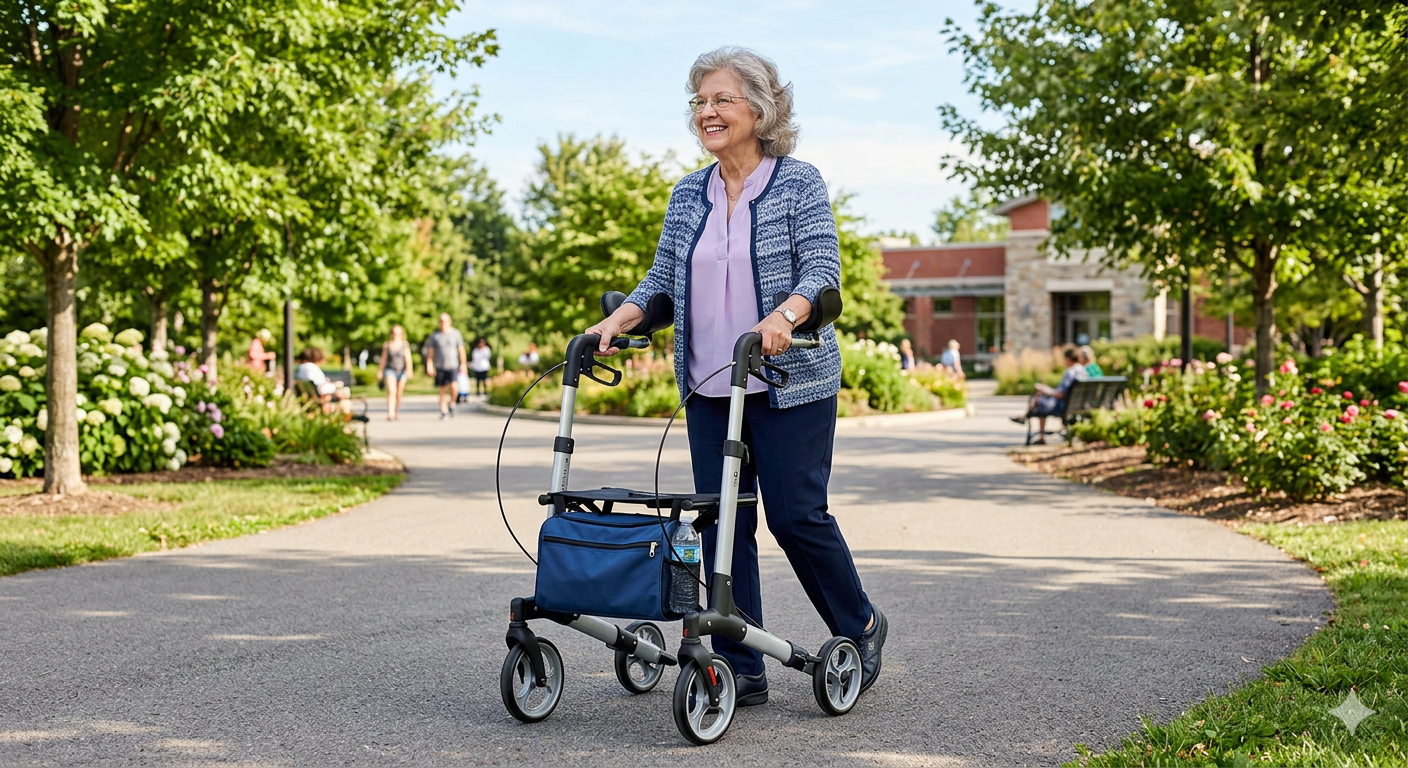
An upright walker is a type of mobility aid designed to encourage seniors to maintain a more upright posture while walking. Unlike traditional walkers, upright walkers allow users to stand straight, reducing forward leaning and associated back or neck strain.
Key features of upright walkers include:
- Ergonomically designed handles to support proper wrist alignment
- Lightweight yet sturdy frames for easy maneuverability
- Adjustable height settings for personalized posture support
- Optional accessories, such as seats or baskets, for convenience
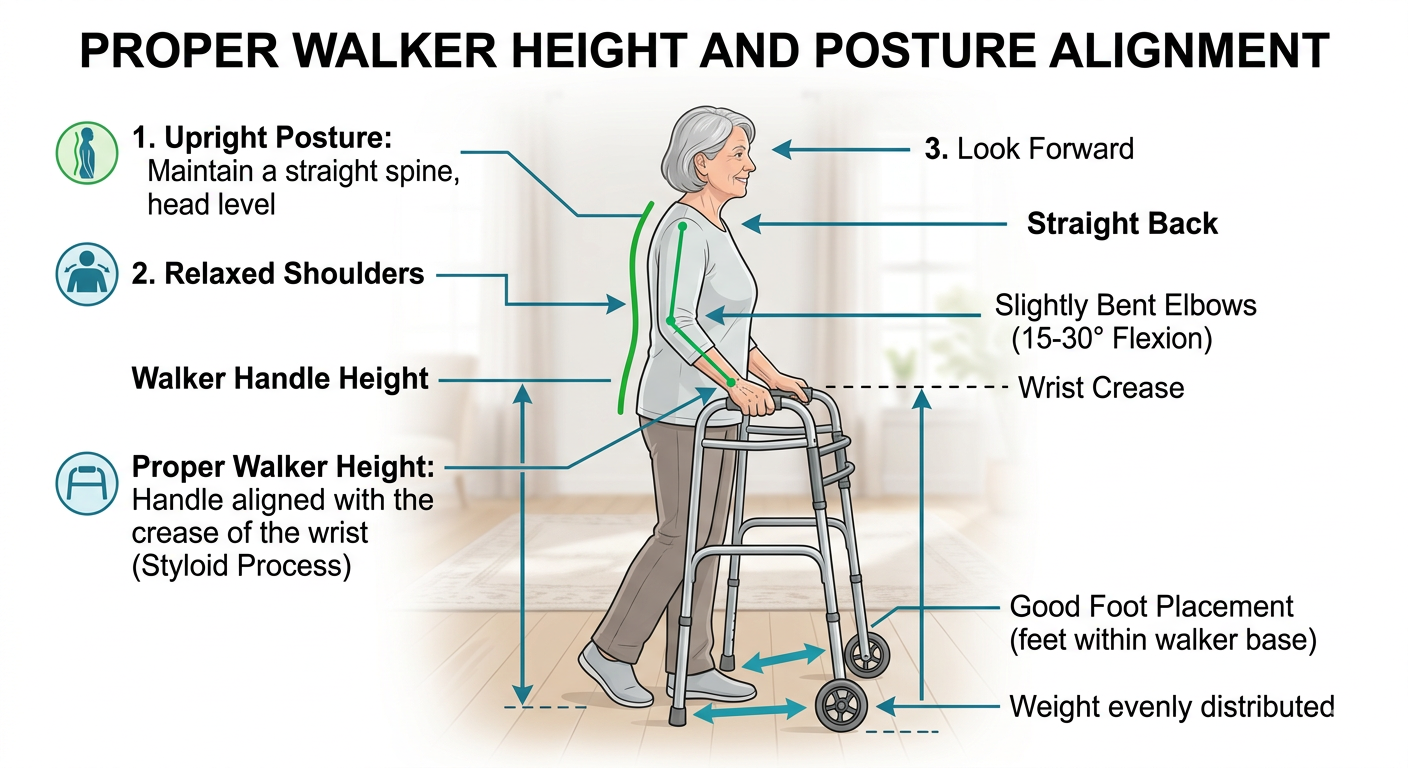
Visual suggestion: Image of a senior using an upright walker with posture lines showing correct alignment.
How Upright Walkers Improve Senior Posture
1. Encourages an Upright Stance
Many seniors develop a forward-leaning posture due to weak core muscles or spinal conditions. Upright walkers promote standing tall while walking, helping realign the spine and reduce tension in the lower back and shoulders.
2. Reduces Pressure on the Spine
By supporting natural posture, upright walkers redistribute body weight, easing strain on the spine and reducing back pain often caused by leaning forward with traditional walkers.
3. Improves Balance and Stability
Good posture contributes directly to balance. Upright walkers encourage proper alignment of hips, knees, and ankles, making it easier to maintain stability and prevent falls.
4. Enhances Core Muscle Engagement
Walking upright engages core muscles, strengthening them over time. This improvement in core strength supports overall posture and mobility.
Benefits of Upright Walkers Beyond Posture
|
Benefit
|
Explanation
|
Why It Matters
|
|
|---|---|---|---|
|
Reduced Back Pain
|
An upright stance reduces spinal stress
|
Supports comfortable walking
|
|
|
Increased Confidence
|
Stability encourages independence
|
Less fear of falls
|
|
|
Better Circulation
|
Encourages proper stride
|
Promotes cardiovascular health
|
|
|
Comfortable Walking
|
Ergonomic handles & adjustable height
|
Prevents wrist & shoulder strain
|
|
|
Adaptable to Home & Outdoors
|
Lightweight and foldable
|
Convenient for all environments
|
|
Choosing the Right Upright Walker
When selecting an upright walker, seniors should consider:
- Height Adjustability: Ensures the walker matches your natural standing posture.
- Weight: Lightweight walkers are easier to handle, especially for longer distances.
- Handle Design: Ergonomic grips prevent wrist strain.
- Additional Features: Wheels, brakes, seats, or baskets for convenience.
- Durability: Ensure the frame is sturdy enough to support your weight safely.
Common Mistakes Seniors Make When Using Walkers
- Incorrect Height Adjustment: Using a walker that is too tall or short can worsen posture.
- Over-Leaning: Pushing down on the handles too much can strain wrists and shoulders.
- Skipping Maintenance: Loose wheels or worn-out grips reduce safety.
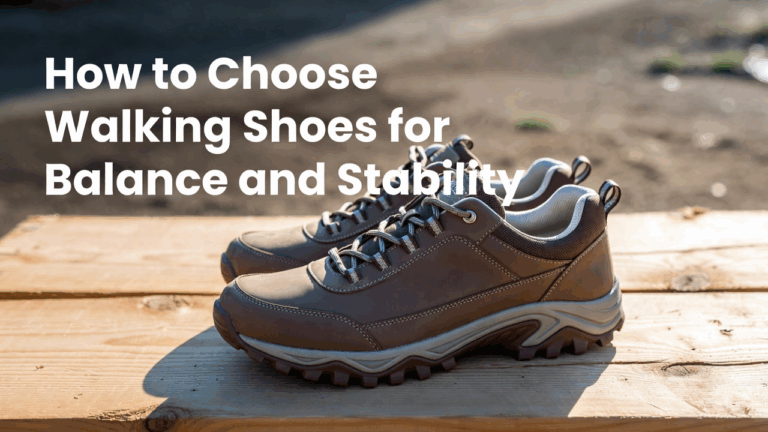
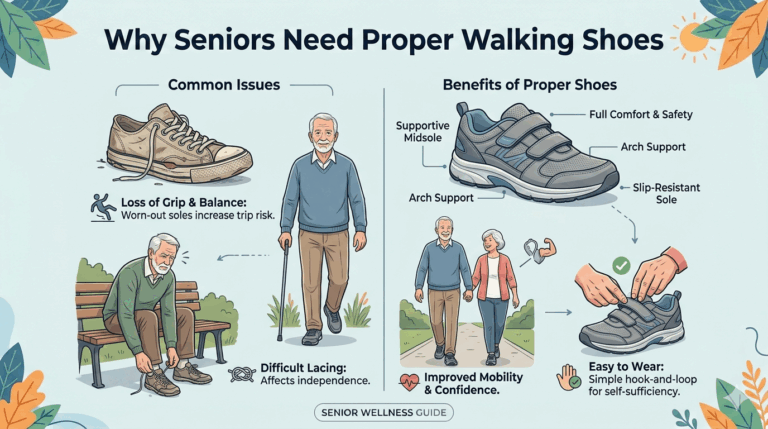
- Ignoring Footwear: Proper supportive shoes enhance walker effectiveness.
Frequently Asked Questions
Can upright walkers help with chronic back pain?
Yes. By promoting an upright posture, these walkers reduce spinal strain, which can alleviate back pain during walking.
Are upright walkers suitable for outdoor use?
Many upright walkers are designed for both indoor and outdoor environments. Check for durable wheels and anti-slip features.
How often should seniors adjust their walker height?
Walkers should be checked regularly, especially if a senior experiences changes in posture, weight, or comfort.
Can upright walkers improve balance over time?
Yes. They promote proper alignment and engage core muscles, which helps enhance stability and reduce fall risk.
-
Final Thoughts
Upright walkers are more than just mobility aids; they are posture-enhancing tools that support seniors in maintaining independence, comfort, and safety. Choosing the right walker, understanding proper use, and combining it with supportive shoes and core exercises can significantly improve posture and overall quality of life.
-
References
National Institute on Aging. Healthy Aging and Mobility. https://www.nia.nih.gov/health/healthy-aging
Mayo Clinic. Back Pain in Older Adults: Causes & Prevention. https://www.mayoclinic.org/diseases-conditions/back-pain/symptoms-causes/syc-20369906
Centers for Disease Control and Prevention (CDC). Preventing Falls in Older Adults. https://www.cdc.govhttps://www.cdc.gov/falls/about/index.html
American Physical Therapy Association. Improving Balance and Posture in Seniors. https://www.choosept.com/guide/physical-therapy-guide-balance-problems