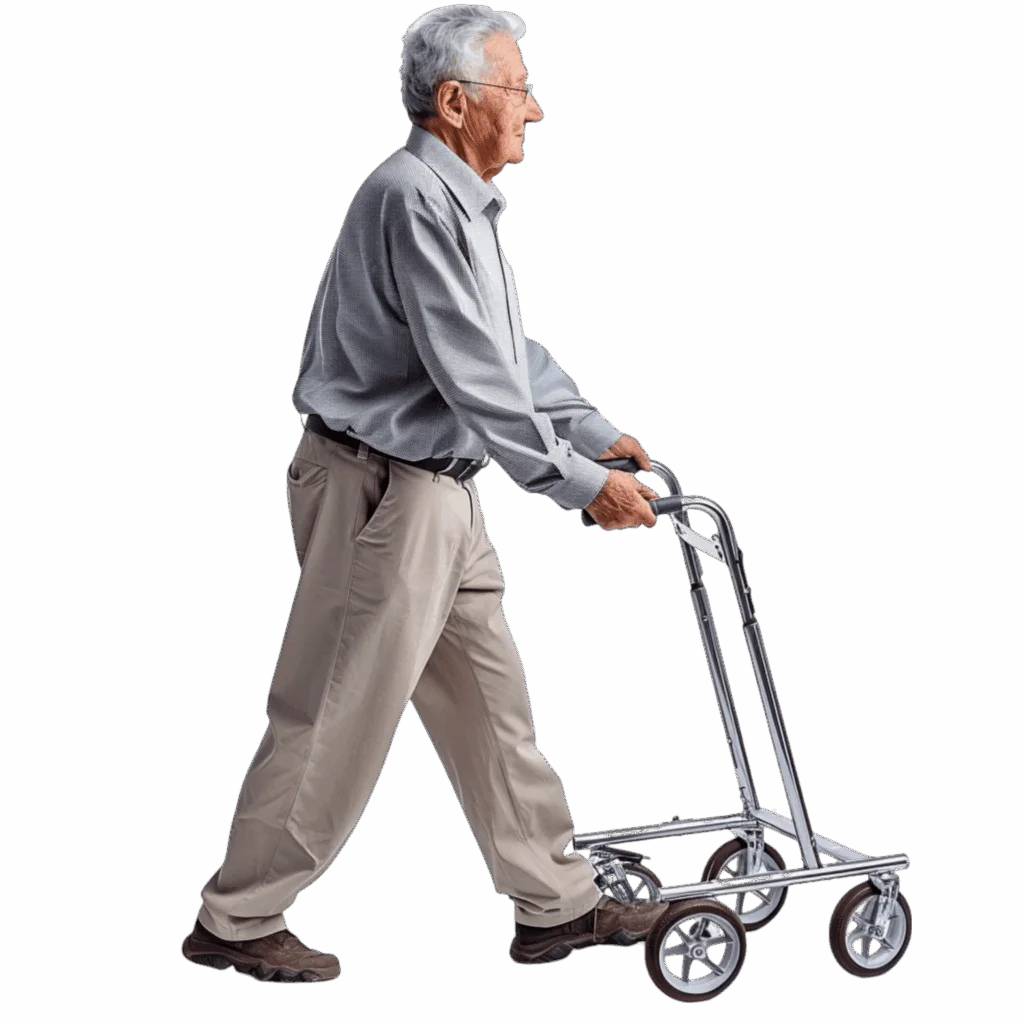
Replacement Walker Hand Grips for All Kinds of Walkers
Sore hands or slippery grips? Replacement walker hand grips add comfort, support, and style, making every walk easier and safer.

Amir Abbasi
Key Summary
Walker hand grips play a vital role in ensuring comfort, stability, and safety for seniors and people with mobility challenges. Over time, grips wear down, become slippery, or lose cushioning, making replacement necessary. This blog explores why walker grips matter, who needs them, different types available, the best options on Amazon, and how to choose the right one.
Seniors are known to use walkers on a daily basis although damaged grips or uncomfortable grips often result in blisters, joint pains, unsafe handling and more. Unstable grips not only make the walking less comfortable but might even cause instability.
Think about having your walker with you all the way through when you feel pain in the palm of your hands and can hardly keep your hands dry or fear of dropping. This problem is more widespread than individuals believe, but most of the time it is ignored until the agony sets in.
Replacement walker hand grips are a low cost and easy method of restoring comfort and safety. Regardless of your preference of foam, rubber or ergonomic grip, the appropriate grip can significantly enhance your mobility experience. This tutorial will take you through all you need to know about grips, their relevance and the most suitable ones in the market at the given time.
Who requires Replacement Walker Hand Grips?
Walker grips are not an unnecessary addition, they are a necessity to any person that uses a mobility aid on a frequent basis. Older people who have arthritis and lack the strength of the hands they are using or have delicate skin can have pressure sores caused by hard plastic grips. Replacement grips are also handy for people taking a long walk with their walker or those who make regular use of a walker both inside and outside their homes. How Do Supportive Grips on Walkers Help Seniors with Mobility states that cushioned grips can greatly help in preventing hand fatigue and can also lead to better confidence during walking.
The caregivers should also observe such indications as cracks in grips, smooth and slippery surfaces, or complaints made by users of discomfort. Timely replacement of grips helps to avoid accidents and improve the quality of life. Being a senior, recovering patient, or a caregiver, being aware of the appropriate time to switch grips can make a big difference in mobility independence.
Types of Walker Hand Grips Available
Walker hand grips come in various materials and designs to meet different needs:
Foam Grips
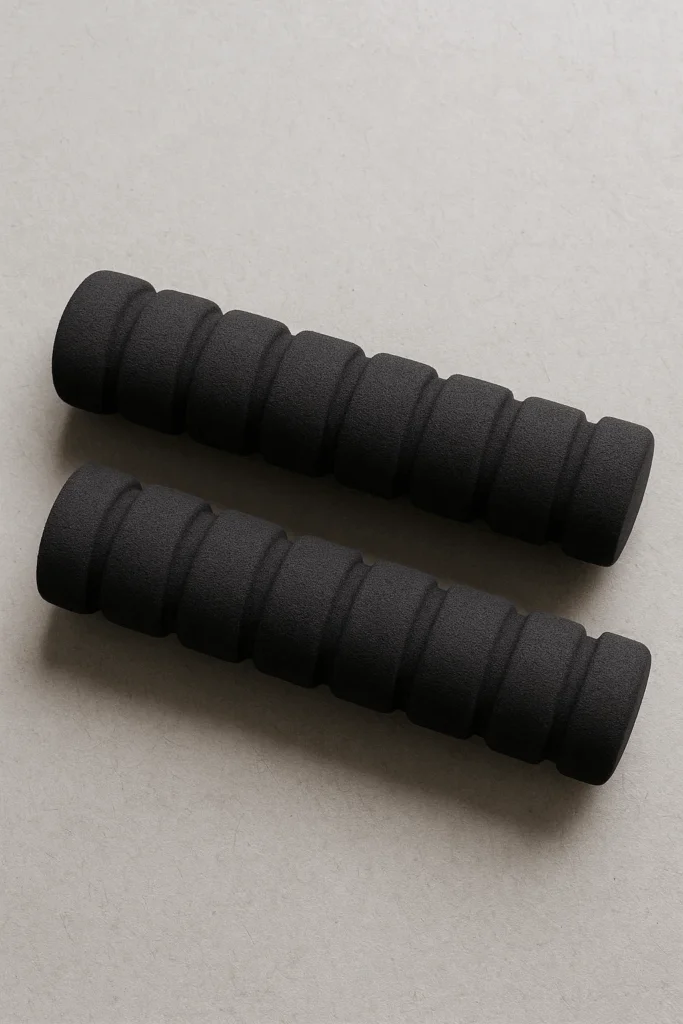
Offering soft cushiony comfort for seniors living with arthritis, these absorb sweat but may wear down faster.
Rubber Grips
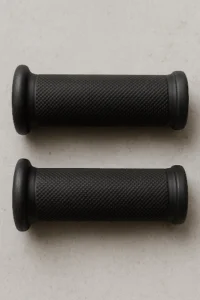
Constructed of durable material that resists slipperiness and lasts long-term use - ideal for outdoor walkers!
Ergonomic Grips
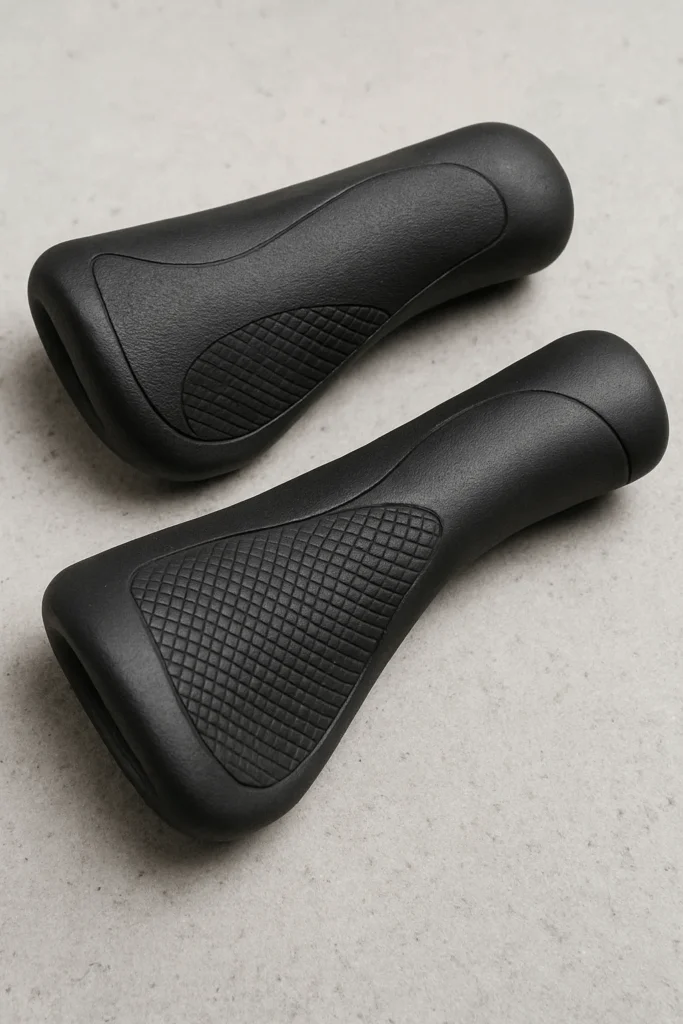
Engineered to fit comfortably within the natural curve of your palm and ease strain during prolonged use.
Gel Grip
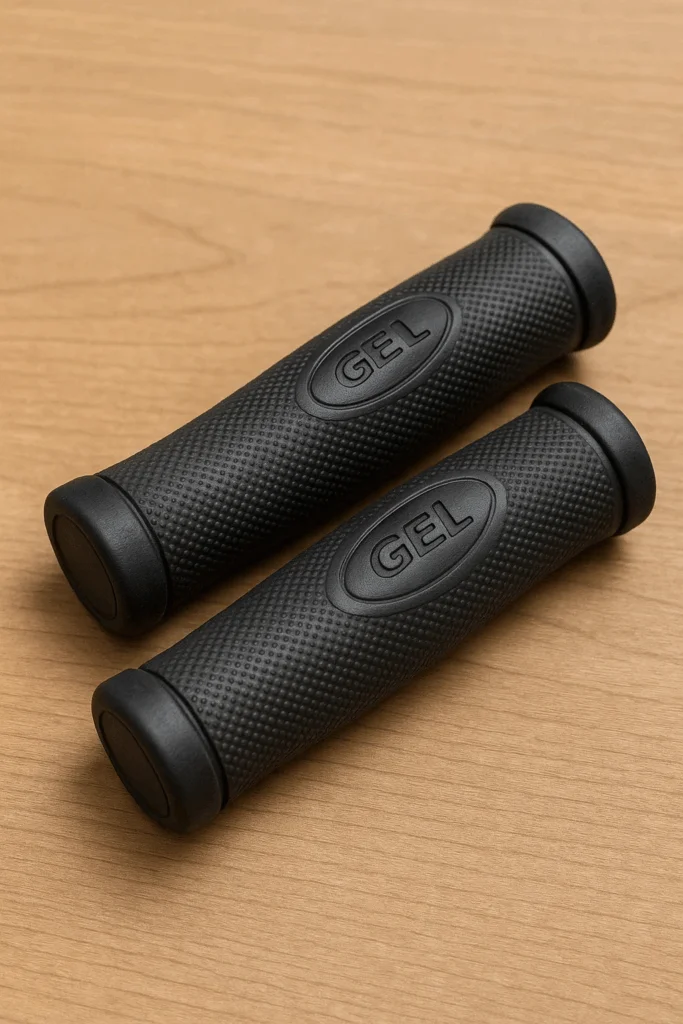
Gel Grips provide maximum comfort and shock absorption, making them suitable for those experiencing severe joint pain.
Textured/Non-Slip Grips
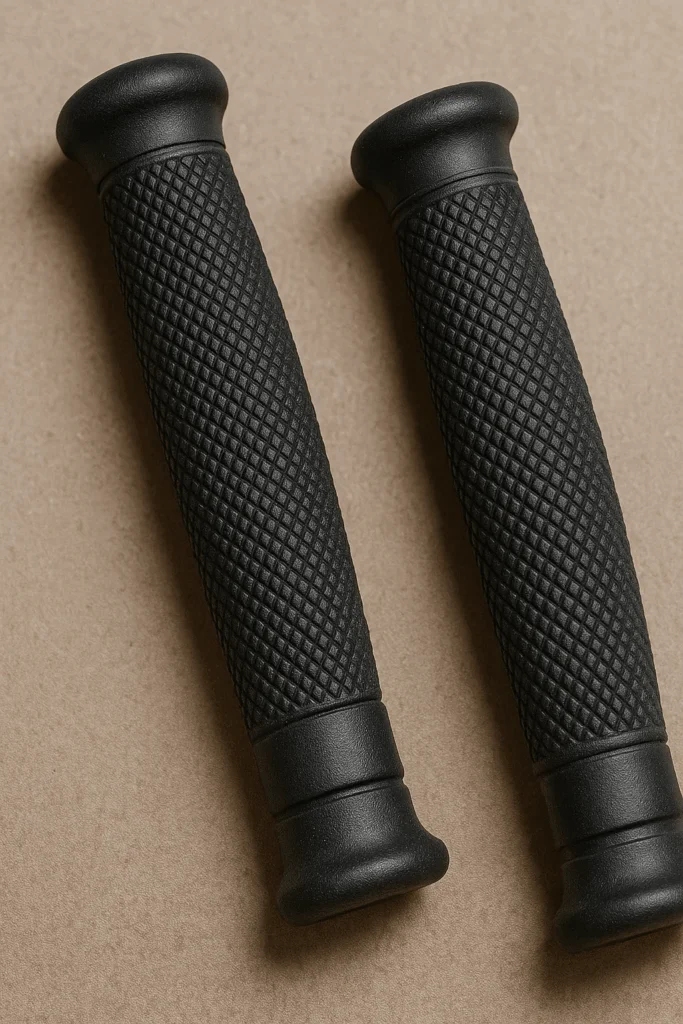
Provide better grip to reduce hand slipping.
When selecting grips, consider comfort, durability, cleaning ease, and compatibility with your walker model. For example, ergonomic grips are ideal for upright walkers (see: Best Upright Walker for Balance Problems) while foam grips are better suited for lightweight, indoor walkers (Top 4 Small Walkers for Seniors).
Best Replacement Hand Grips on Amazon
Here are some top-rated Amazon grips worth considering:
Supregear Walker Grips (2-Pack Soft Padded Covers)

All reviews are 100% impartial but if you buy using links on this page, we may earn a referral fee.
Crutcheze Walker Padded Hand Grip Covers

All reviews are 100% impartial but if you buy using links on this page, we may earn a referral fee.
Coldairsoap 2-Pack Walker Hand Grips Cover

All reviews are 100% impartial but if you buy using links on this page, we may earn a referral fee.
Vive Walker Handle Cushions (Foam Padded Covers)

All reviews are 100% impartial but if you buy using links on this page, we may earn a referral fee.
How to Choose the Right Grip for Your Walker
Choosing the right grip for your walker requires more thought than simply picking what looks comfortable. The correct grip can ease joint pain, improve posture, and ensure a safe walking experience. Seniors with arthritis or sensitive skin may need softer options like foam or gel, while those who use walkers outdoors may benefit from slip-resistant rubber grips. The type of walker also matters, upright walkers align better with ergonomic grips that fit the natural curve of the hand. Cost and durability are also deciding factors, since frequent replacements can add up. As highlighted in How Caregivers Can Assist Seniors in Choosing and Using Walkers, selecting grips tailored to both health conditions and daily lifestyle ensures seniors enjoy maximum independence.
Key factors to consider:
- Comfort and Health Needs: Foam and gel grips cushion the palms and relieve joint pain.
- Type of Walker: Upright walkers pair well with ergonomic grips; outdoor walkers work best with durable rubber.
- Durability and Maintenance: Foam wears faster, rubber lasts longer, and gel offers a balance of both.
- Cost Considerations: Budget grips start under $10, but higher-priced options often provide better longevity.
- Lifestyle Fit: Match grips with daily routines, indoor use requires comfort, while outdoor use needs resilience.
Importance of Supportive Grips for Seniors
Supportive grips may look like small details, but they play a critical role in mobility, independence, and safety. Without proper cushioning, seniors often develop hand fatigue, sore spots, or even loss of grip control, which increases the chance of slips and falls. Proper grips also encourage better posture, reducing unnecessary strain on the wrists and shoulders. According to the Journal of Geriatric Physical Therapy, ergonomic grips enhance stability and improve walking endurance, making them essential for seniors who depend on their walkers daily. As emphasized in Best All-Terrain Walkers for Seniors – Ultimate Guide, grips are especially valuable for those who enjoy outdoor activities where terrain may be uneven.
Why supportive grips matter:
- Reduce Hand Fatigue: Cushioning helps prevent blisters, cramps, and soreness during prolonged use.
- Improve Posture: Proper grips distribute weight evenly, reducing wrist and shoulder strain.
- Enhance Safety: Non-slip textures prevent accidental slips, especially outdoors.
- Boost Confidence: Seniors feel more secure when grips provide stable support.
- Encourage Activity: Comfortable grips promote longer, safer walking sessions.
- Caregiver Benefits: With safer grips, caregivers have less worry about fall risks.
Frequently Asked Questions
How often should walker hand grips be replaced?
Generally, grips should be replaced every 6–12 months, depending on usage and wear.
Are foam grips better than rubber grips?
Foam provides comfort, while rubber offers durability. The choice depends on user needs.
Can I buy replacement grips for any walker?
Most grips are universal, but always check compatibility with your walker model.
Do replacement grips prevent slipping?
Yes, textured and rubber grips are designed to reduce slippage
Are gel grips worth the extra cost?
Yes, especially for users with arthritis or prolonged walker use.

Final Thoughts
Walker hand grips may seem like a small part of mobility aids, but they have a massive impact on safety and comfort. From foam to gel grips, choosing the right replacement ensures seniors maintain independence without sacrificing hand health. Whether you buy from Amazon or specialized stores, always prioritize comfort, durability, and compatibility with your walker.
At thewalkeradvisor, we believe every senior deserves not only mobility but also comfort in their daily walks. That’s why grips are just as important as the walker itself. If you’re unsure about your needs, check out resources on Best Upright Walker for Balance Problems or explore more options at The Walker Advisor for tailored guidance.
For families seeking guidance, TheWalkerAdvisor provides expert advice and trusted reviews on the best walkers for seniors to ensure safety, comfort, and long-term usability.

Reference
- Journal of Geriatric Physical Therapy - Impact of ergonomic mobility aids https://www.researchgate.net/publication/309561398_Walking_Aids_for_Older_Adults_Review_of_End-User_Needs
- National Institute on Aging - Mobility and safety in seniors https://www.nia.nih.gov/news/maintaining-mobility-and-preventing-disability-are-key-living-independently-we-age
- Mayo Clinic - Assistive devices: Tips for choosing https://www.mayoclinic.org/healthy-lifestyle/healthy-aging/in-depth/walker/art-20546805