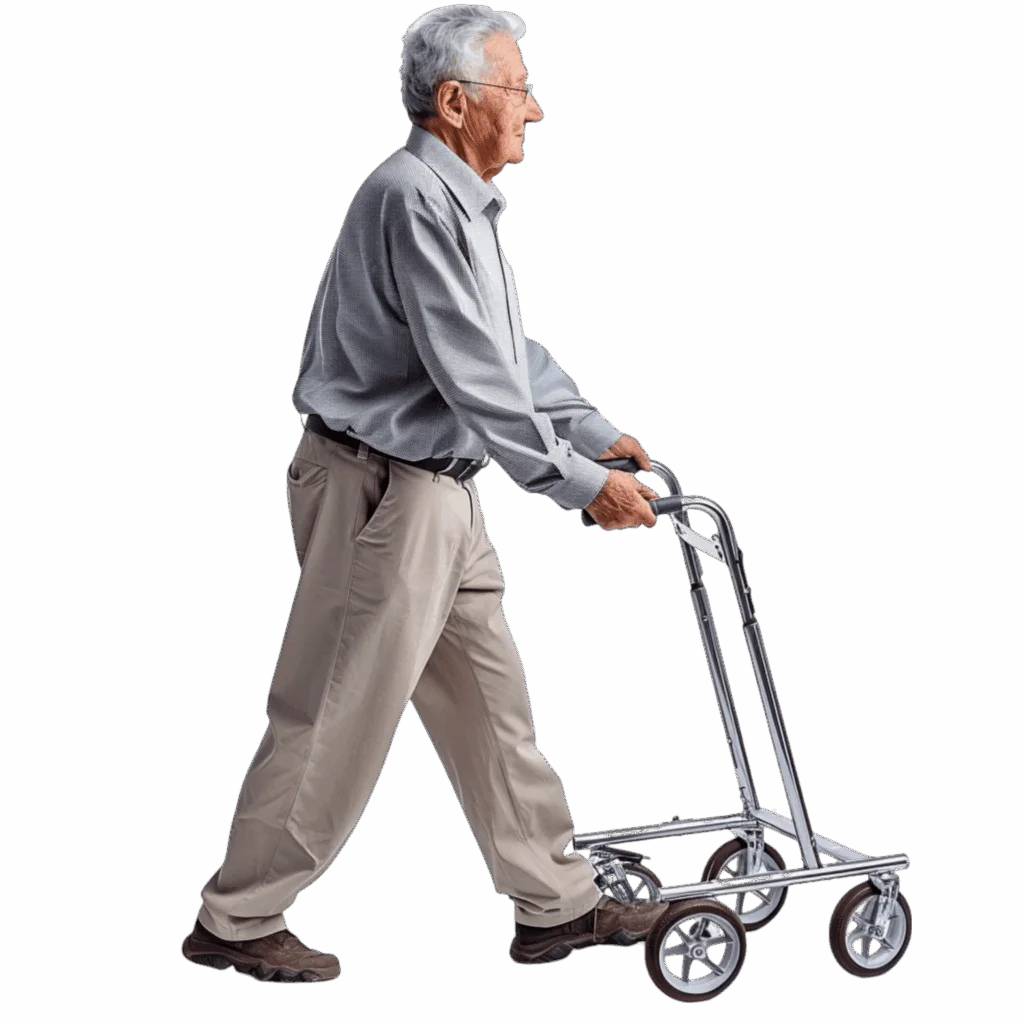
How to Transition From a Walker to Walking Independently: A Step-by-Step Guide
Regain your freedom with expert-backed tips, gentle exercises, and proven steps to confidently move from walker use to walking on your own.

Robin Dolan
Key Summary
Transitioning from a walker to walking on your own takes time and the right steps. Start by using lighter mobility aids, build strength and balance through targeted exercises, pay attention to your body's readiness, and stay safe with each move forward.
Letting go of a walker after weeks or months of relying on it can feel both exciting and overwhelming. Whether you've been using one due to surgery, an injury, or simply to cope with age-related changes, the idea of walking on your own again might seem like a big leap. And it is, but it's possible. Transitioning from a walker to independent walking isn't something that happens overnight. It's a gradual process that focuses on rebuilding your strength, improving balance, and restoring confidence in your movements.
The timeline looks different for everyone. Your age, your overall health, the reason you started using a walker, and the kind of support you have all play a role in how quickly and safely you can make the switch. With patience, a clear plan, and the right professional support, you can take steady steps toward full independence.
As the Cleveland Clinic notes, "Learning to use your walker the right way and practicing basic safety guidelines can minimize this risk" of falls and injuries. They recommend always following your health provider's advice and using the walker as instructed to stay safe during the transition.
Types of Walkers for Gradual Independence
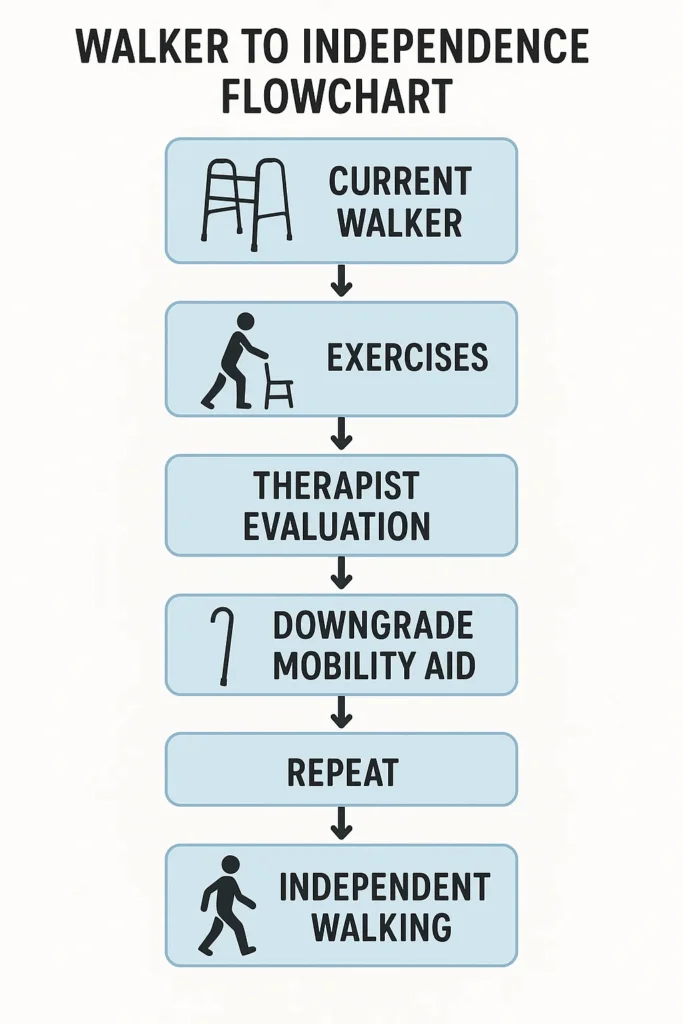
One of the most important steps in transitioning away from walkers is understanding the mobility aid ladder, which allows you to decrease support gradually without compromising safety.
Here's the typical progression path:
1. 4-Wheel Walkers (Rollators)
4-wheel walkers, also known as rollators, are among the most supportive mobility aids, an excellent starting point for those transitioning from immobility to walking. These walkers feature a sturdy frame, hand brakes for added safety, and a built-in seat that allows users to rest during longer walks. Because they offer full-body support, they're ideal for individuals facing strength or balance challenges. As MedlinePlus notes, "There are many types of walkers. Your surgeon or physical therapist will help you choose the type of walker that is best for you." If you're exploring the best options available, you may want to check out our Highest Rated Walkers for Seniors: Expert-Recommended Choices for detailed comparisons and professional recommendations.
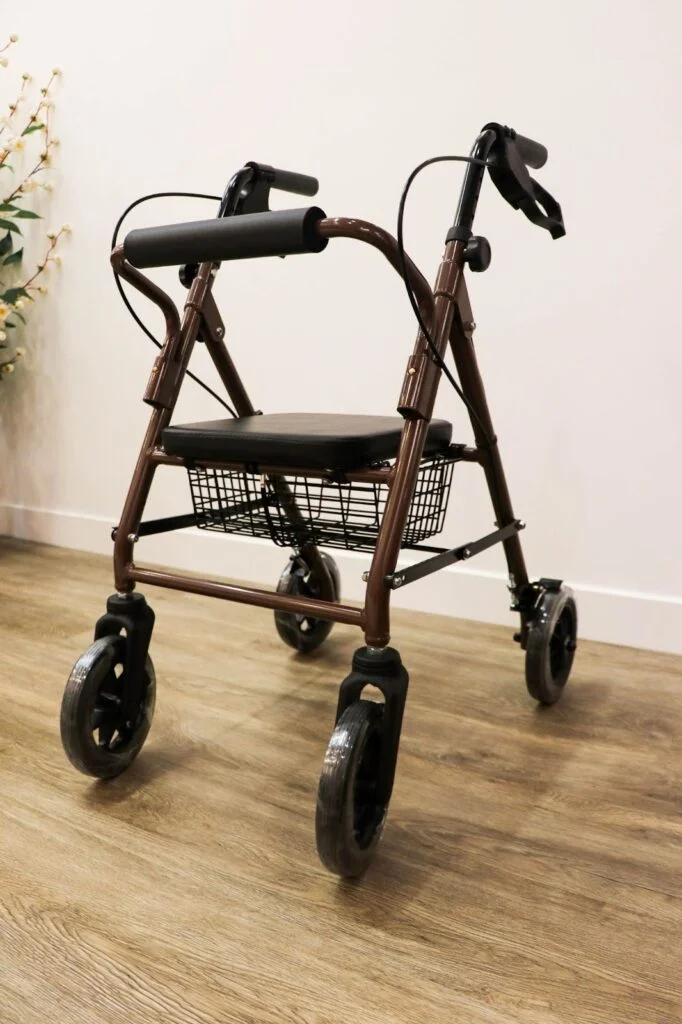
2. 3-Wheel Walkers or Hemi Walkers
These are better suited for people who have gained some strength and confidence in their stride because they are lighter and easier to maneuver than 4-wheel rollators. The slim frame of a 3-wheel walker usually makes it easier to maneuver through confined areas, such as kitchens or hallways. Hemi walkers are made to be used with one hand, which is common for stroke survivors or people who have trouble using one side of their body. These models encourage users to use more leg and core muscles while walking and to rely less on outside assistance.
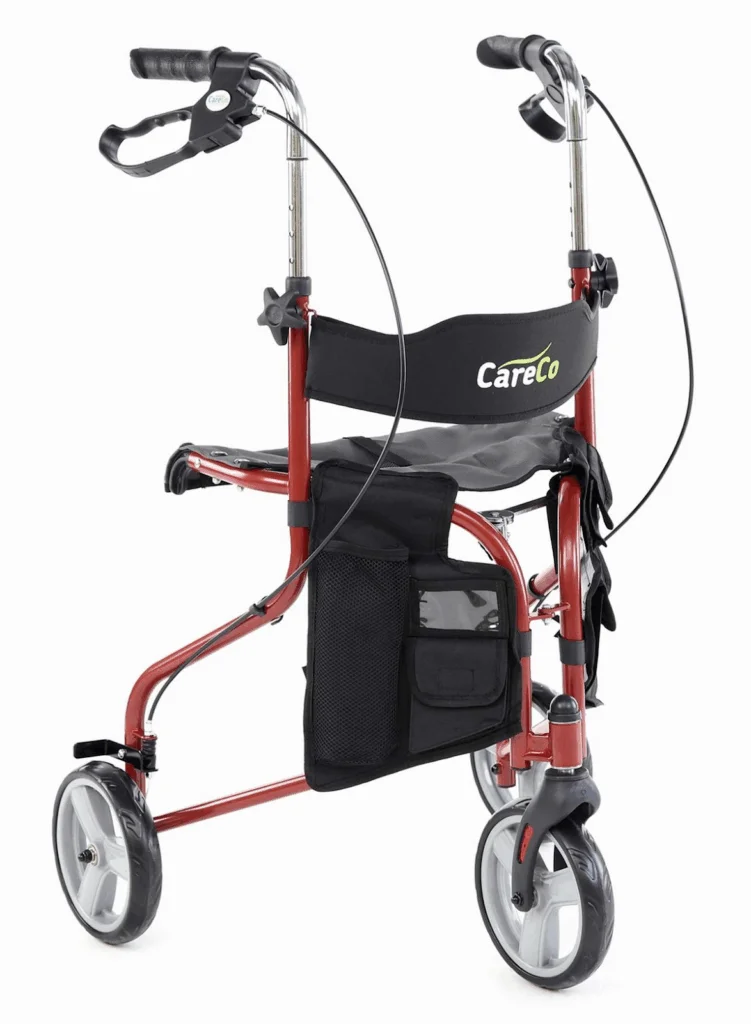
3. Side-Style Walkers (Reciprocal Walkers)
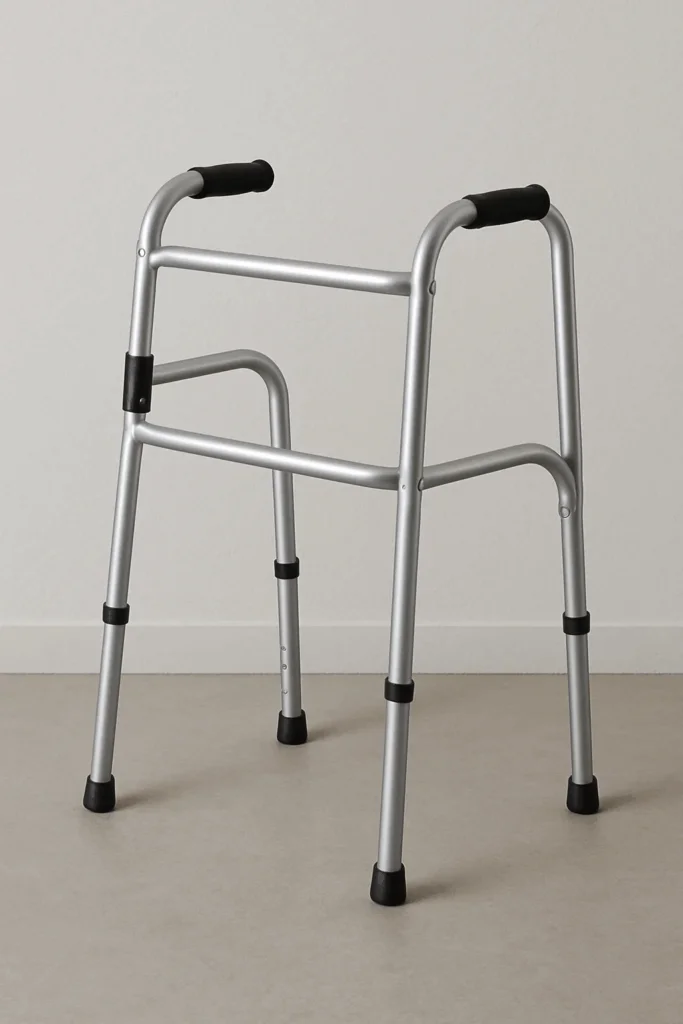
These walkers are a common sight indoors, built to give you really balanced support. Unlike rollators, you won't find wheels or seats here; instead, you lift and move the walker forward with each step. This simple action is great for improving your arm-leg coordination and slowly building up your strength and balance. They're especially handy in rehab or tighter spaces where you need to move carefully. Think of them as a key stepping stone on the path to getting your mobility back.
4. Quad Canes
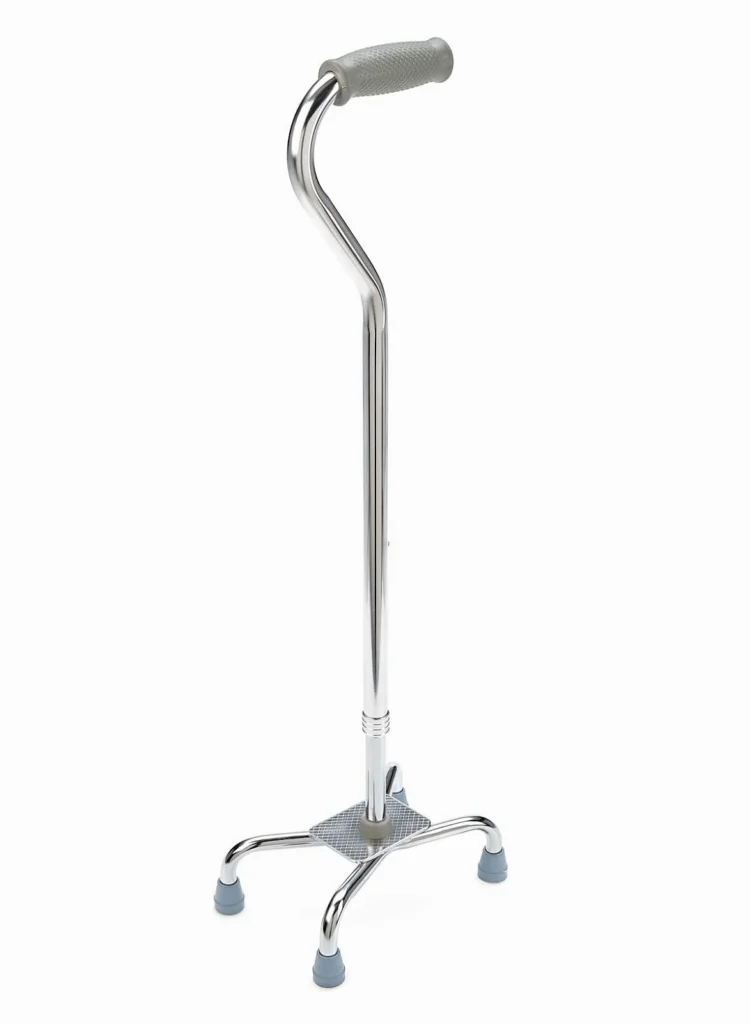
A quad cane is a fantastic step up from a regular cane, thanks to its four-legged base that provides much better stability. It's the perfect choice if you no longer need a walker for full-body support but could still use a little help with your balance. Users often find their confidence improves significantly as they start moving more freely, covering short to moderate distances. Plus, these canes are height-adjustable and designed to be really stable, which makes them a safer option for older adults who are getting closer to walking completely on their own.
Also read: When Should an Elderly Person Upgrade From a Cane to a Walker?
5. Single-Point Canes
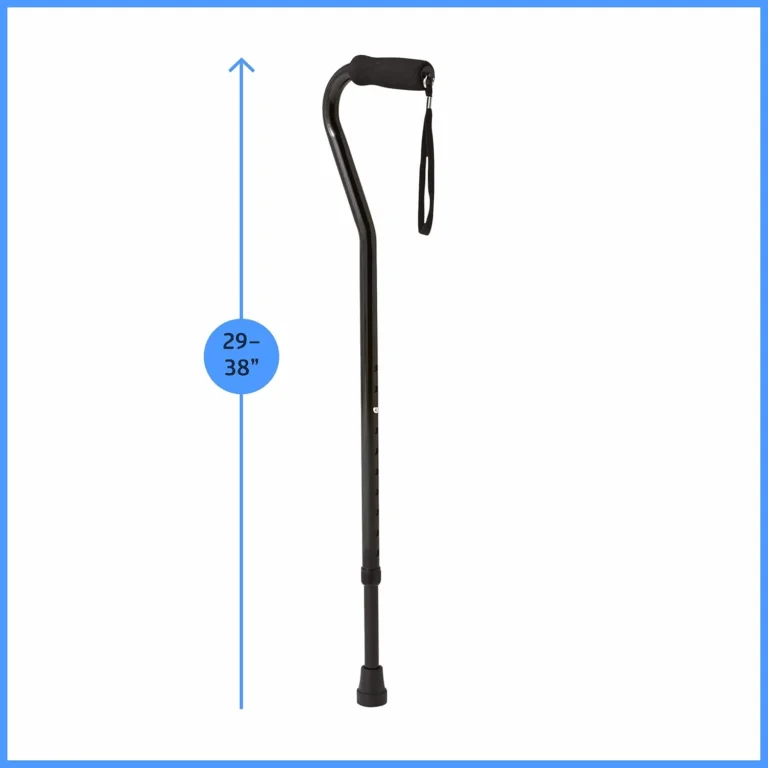
Single-point canes provide minimal support and are typically the last step before walking unaided. They help users fine-tune their posture, balance, and stride by offering a subtle point of contact for reassurance. Often used outdoors or during outings, single canes work best for individuals who may have mild arthritis, occasional instability, or are overcoming long-term use of a walker. Transitioning to this stage means the person has regained significant lower-body strength.
Related: How to Transition From a Cane to a Walker: What You Need to Know
Physical Therapy Exercises to Regain Strength
Physical therapy is crucial for regaining the strength and balance needed to walk independently. The right exercises focus on your core, leg muscles, hip stability, and proprioception (body awareness).
The American Physical Therapy Association recommends exercises such as:
- Heel Raises: Improve calf strength and balance
- Sit-to-Stand: Builds lower body strength essential for walking
- Single-Leg Stands: Enhances balance and coordination
- Marching in Place: Train motor control and endurance
- Wall Squats: Build thigh and gluteal muscle strength
- Step-Ups on Low Steps: Boosts climbing ability and leg confidence
Check out: Best Stair Walkers for Seniors
Signs You're Ready to Move to the Next Stage
Moving to a less supportive aid or walking unassisted requires clinical and physical readiness. Here are signs that you may be ready:
- You can walk 50–100 feet with your current aid without resting
- You feel stable while turning or changing direction
- You can stand from a seated position without help
- Your physical therapist or doctor clears you
- You can manage stairs or uneven surfaces with minimal wobble
Related read: How Do You Know It's Time to Start Using a Walker Instead of a Cane?
Guidance for Staying Safe In the Transition
Throughout your trip, safety must always come first. These pointers are crucial whether you're just beginning or getting close to complete independence:
- Steer clear of clutter: Keep walkways clear of obstructions and clean.
- Wearing non-slip shoes improves grip and lowers the chance of slipping.
- Install grab bars, particularly in doorways, on stairs, and in restrooms.
- Attend all of your therapy sessions.
- Eat healthily and drink plenty of water because dehydration can cause muscle imbalance and fatigue.
- Don't rush changes; instead, give your body time to adapt.
Also explore: What Are Some Helpful Suggestions for Using a New Walker With Larger Wheels?
Transition Timeline for Mobility Aid
Frequently Asked Questions
How much time does it take to go from using a walker to walking on your own?
Although everyone's timeline is different, most people make progress over weeks to months. The rate of recovery is affected by a number of factors, including age, physical condition, and the reason for using a walker.
Can I make the transition without a physical therapist's assistance?
Although it's not impossible, it's highly discouraged. A physical therapist makes sure you're moving at a healthy pace, monitors your safety, and customizes exercises for your condition.
How can I tell when I'm ready to walk alone or switch to the next mobility aid?
If you can walk 50 to 100 feet without stopping, turn safely, and get up on your own, and your doctor or therapist is satisfied with your progress, you might be ready.
What should I do if the transition causes me pain or instability?
Stop right away and speak with your doctor. Your body uses pain as a warning that something may be amiss, and ignoring it could result in problems.
Is it typical to experience anxiety when walking without a walker?
Indeed, emotional preparedness is equally as crucial as physical prowess. Although many people are afraid of falling, confidence can be gradually increased with little victories, a caring environment, and appropriate safety precautions.
What safety advice for the house can be useful during this change?
Use non-slip rugs, install grab bars, keep floors clear of clutter, and wear appropriate footwear. Additionally, make sure your house is well-lit, and refrain from multitasking when you're walking.

Final Thoughts
Transitioning from a walker to independent walking is not about speed; it's about strategy, self-awareness, and support. With the right combination of professional guidance, strength-building routines, and the correct use of mobility aids, anyone can regain the confidence to walk without assistance. Keep in mind that every small step counts, and regression can happen. Don't rush, trust the process, and lean on your support system.