Primary use location
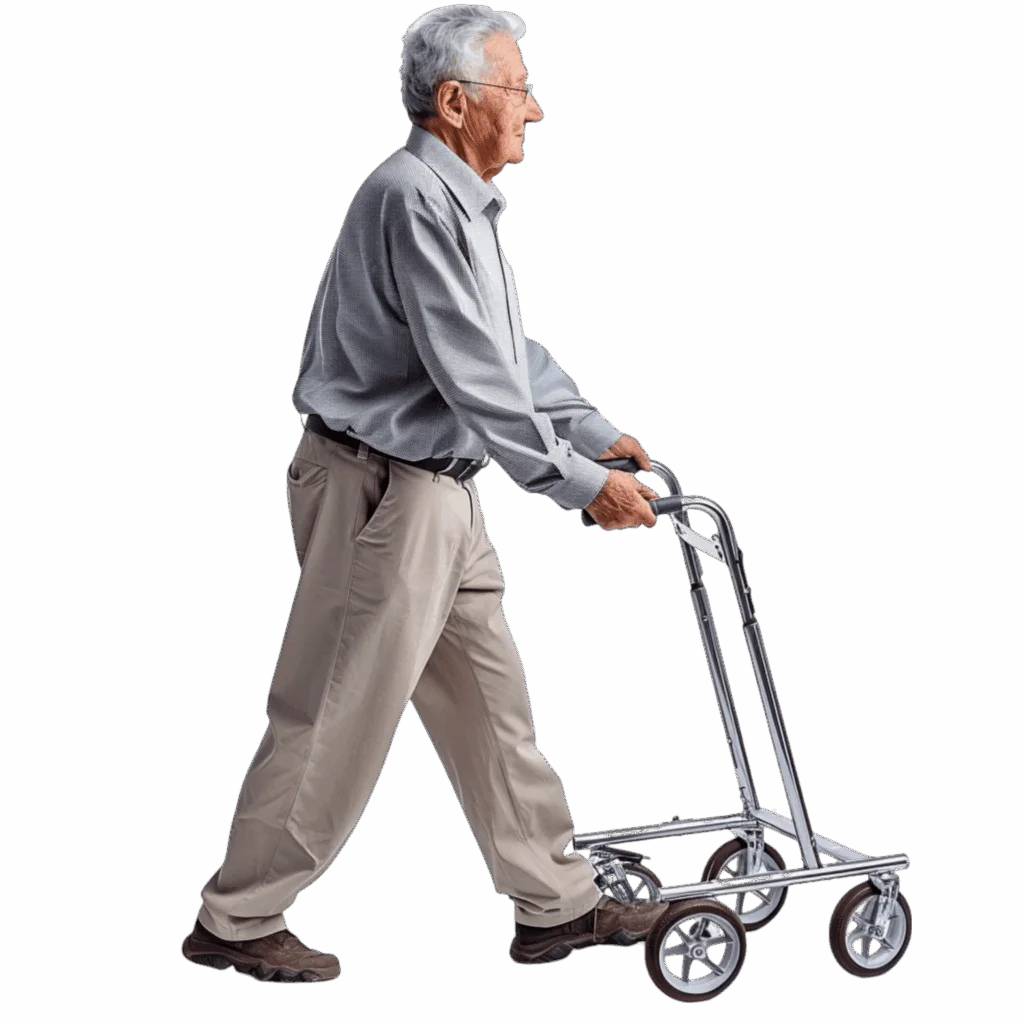
Indoor walkers should be lightweight, compact, and easy to maneuver through halls and furniture. Outdoor or mixed-use walkers need larger wheels and a sturdier frame for sidewalks and uneven surfaces.

Answer four quick questions about location, seating, features, and budget. The tool matches you with a practical walker option built around safety, comfort, and daily mobility.
Step 1 of 4
Use location
Where will you primarily use the walker?
Select all that apply.
The tool evaluates four essential areas so recommendations stay personalized and practical for everyday senior mobility.
Indoor walkers should be lightweight, compact, and easy to maneuver through halls and furniture. Outdoor or mixed-use walkers need larger wheels and a sturdier frame for sidewalks and uneven surfaces.
A built-in seat helps older adults pause safely during longer walks. It can add some weight, but the comfort and safety benefits often matter more for daily use.
Maximum stability supports balance, easy transport helps with cars and storage, and extra storage makes groceries, personal items, and supplies easier to carry.
Walker prices range from simple budget models to premium all-terrain designs. A realistic budget keeps recommendations practical without ignoring safety and comfort.
Standard walkers support indoor stability, rollators add wheels and brakes, and heavy-duty models provide higher capacity.
Adjustable height, padded grips, hand brakes, and easy-fold mechanisms make daily use safer and more comfortable.
Check walker height, brake function, and wheel movement before regular use across indoor and outdoor surfaces.
Stay informed with our monthly updates on the best mobility aids, safety tips, and exclusive deals designed to support senior independence.