

Syed Ali
Key Summary
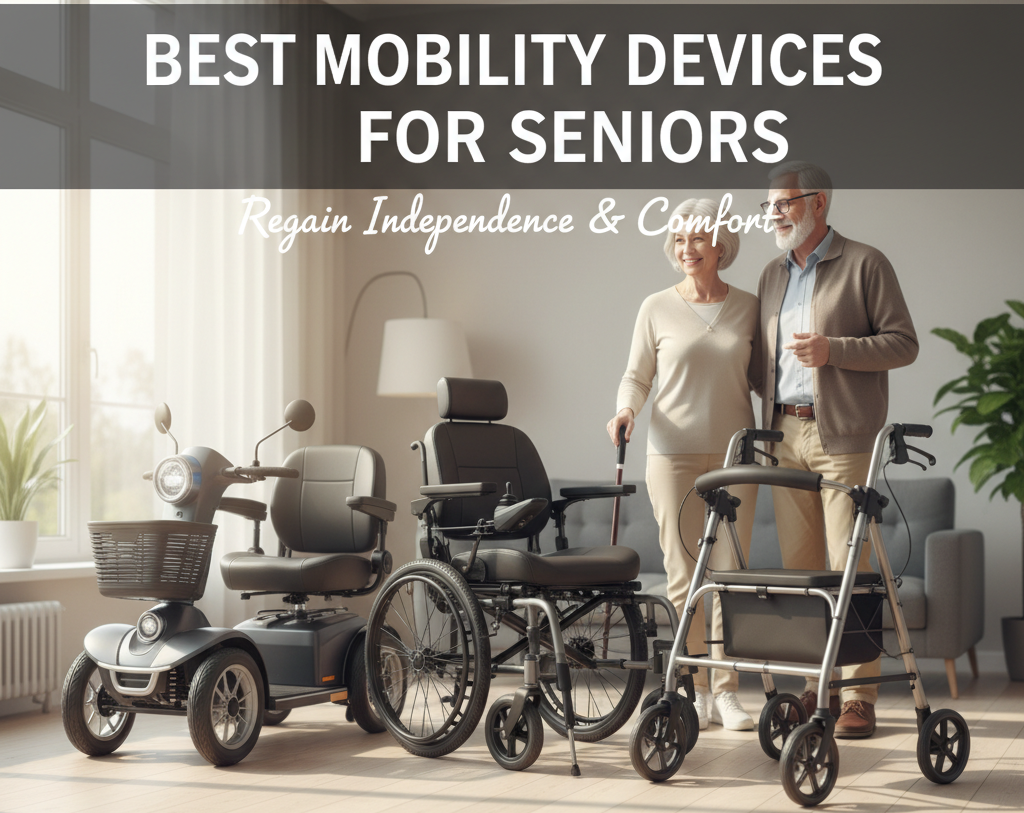
Mobility devices help seniors maintain independence and reduce fall risk. Choosing the right device depends on balance, strength, and lifestyle needs. Walkers, canes, wheelchairs, and scooters each serve different mobility levels.
As people age, mobility challenges become increasingly common due to conditions such as arthritis, osteoporosis, muscle weakness, neurological disorders, or post-surgical recovery. Limited mobility not only affects physical health but also impacts confidence, independence, and overall quality of life.
The good news is that modern mobility devices for seniors are designed to provide stability, comfort, and freedom of movement while significantly reducing the risk of falls. From simple walking canes to advanced mobility scooters, choosing the right device can make everyday activities safer and more manageable.
Table of Contents
Best Mobility Devices for Seniors
1. Canes
Best for: Mild balance issues or light support
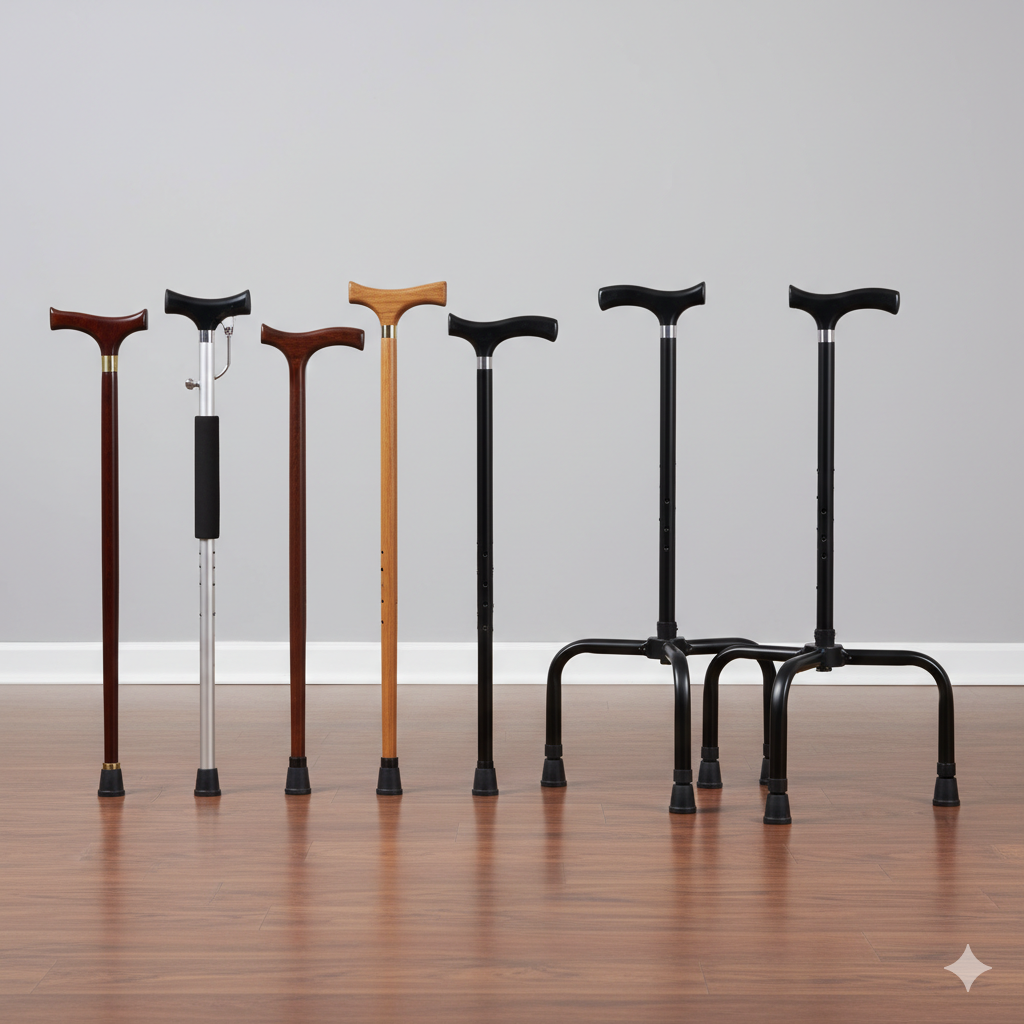
Canes are among the most basic mobility aids and are ideal for seniors who need minimal assistance. They help redistribute weight and improve walking stability.
Types of Canes:
- Single-point canes
- Quad canes (four-point base for added stability)
- Offset handle canes
Pros:
| Cons:
|
2. Walkers
Best for: Moderate balance problems and leg weakness
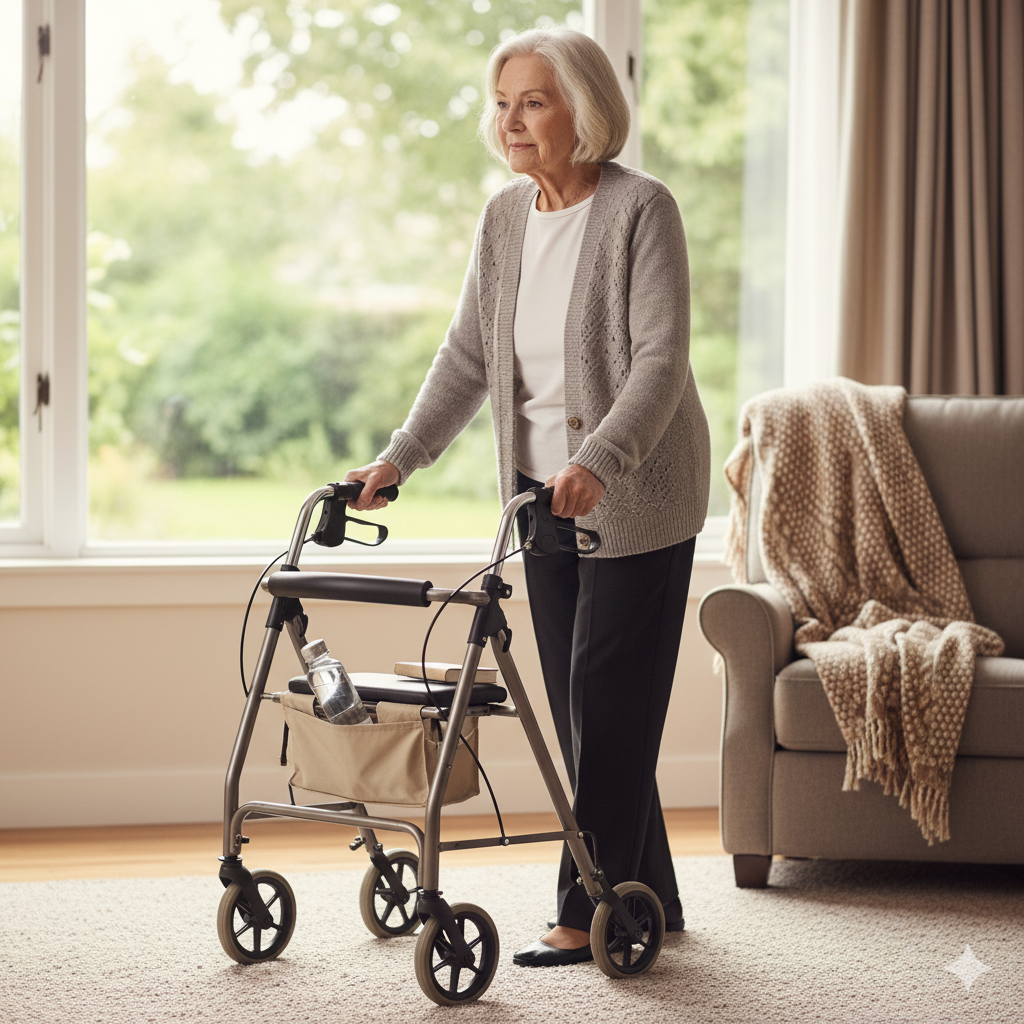
Walkers provide greater support than canes and are commonly recommended for seniors recovering from surgery or dealing with chronic instability.
Walkers provide greater support than canes and are commonly recommended for seniors recovering from surgery or dealing with chronic instability. Choosing the right walker type is essential, especially for individuals with specific needs like height or body support. For example, taller individuals can benefit from specialized options, learn more in heavy-duty walker for tall people, to ensure proper posture and stability.
Common Types:
- Standard walkers
- Two-wheel walkers
- Four-wheel walkers (rollators)
Pros:
| Cons:
|
3. Rollators (Four-Wheel Walkers)
Best for: Seniors who need support but want mobility freedom
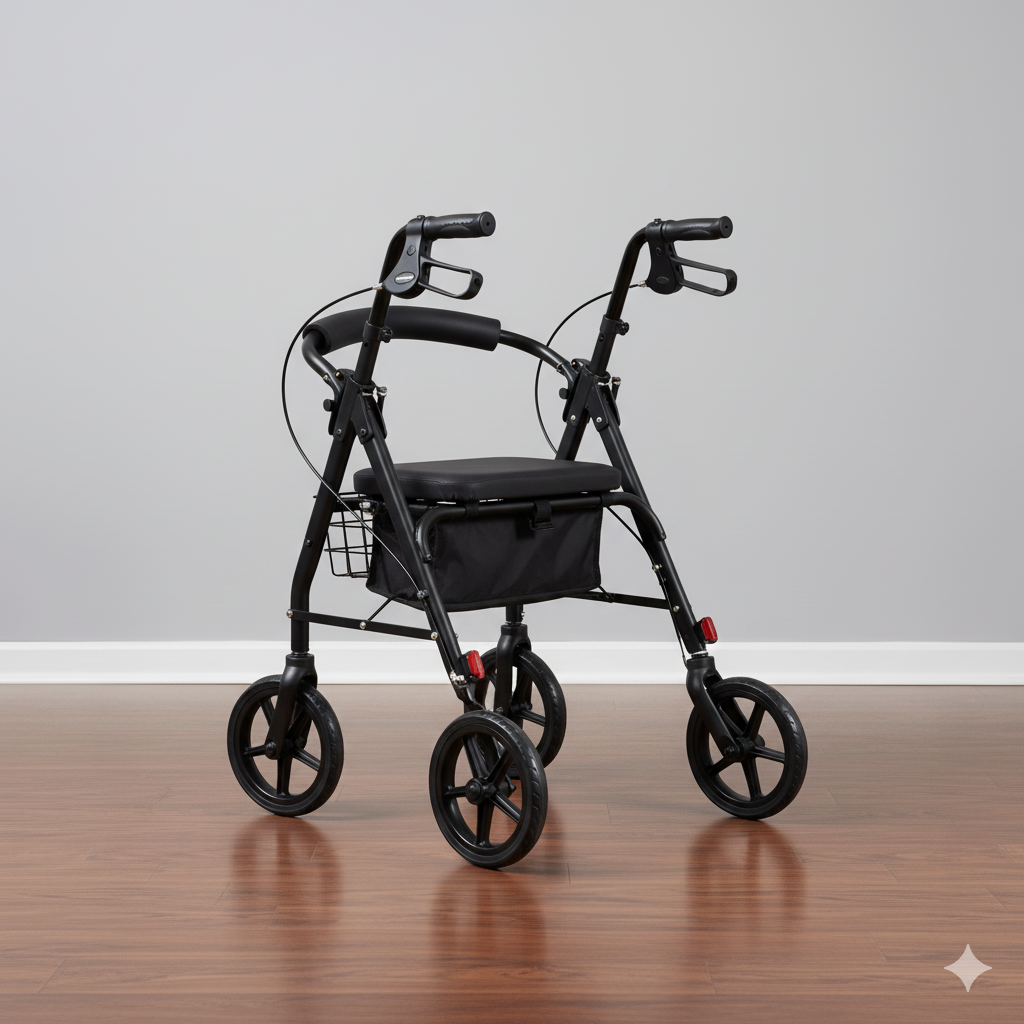
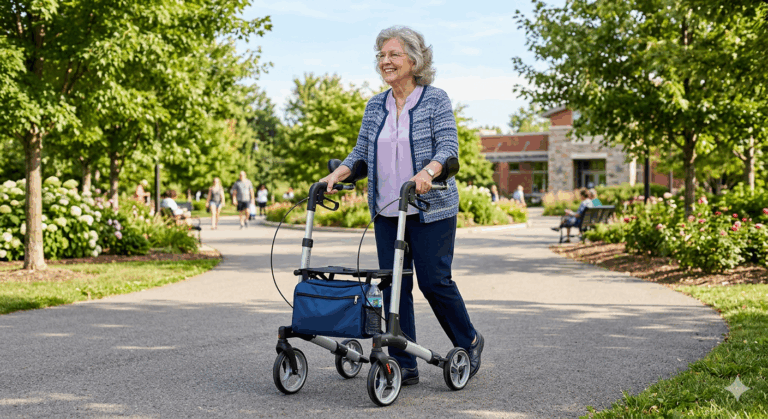
Rollators come with four wheels, hand brakes, a seat, and often a storage basket. They are ideal for active seniors who walk longer distances.
Pros:
| Cons:
|
Using wheeled walkers correctly is crucial for safety. If you’re new to this type of mobility aid, check out How To Use A Walker With Wheels for proper techniques and safety guidance.
4. Wheelchairs
Best for: Seniors with severe mobility limitations
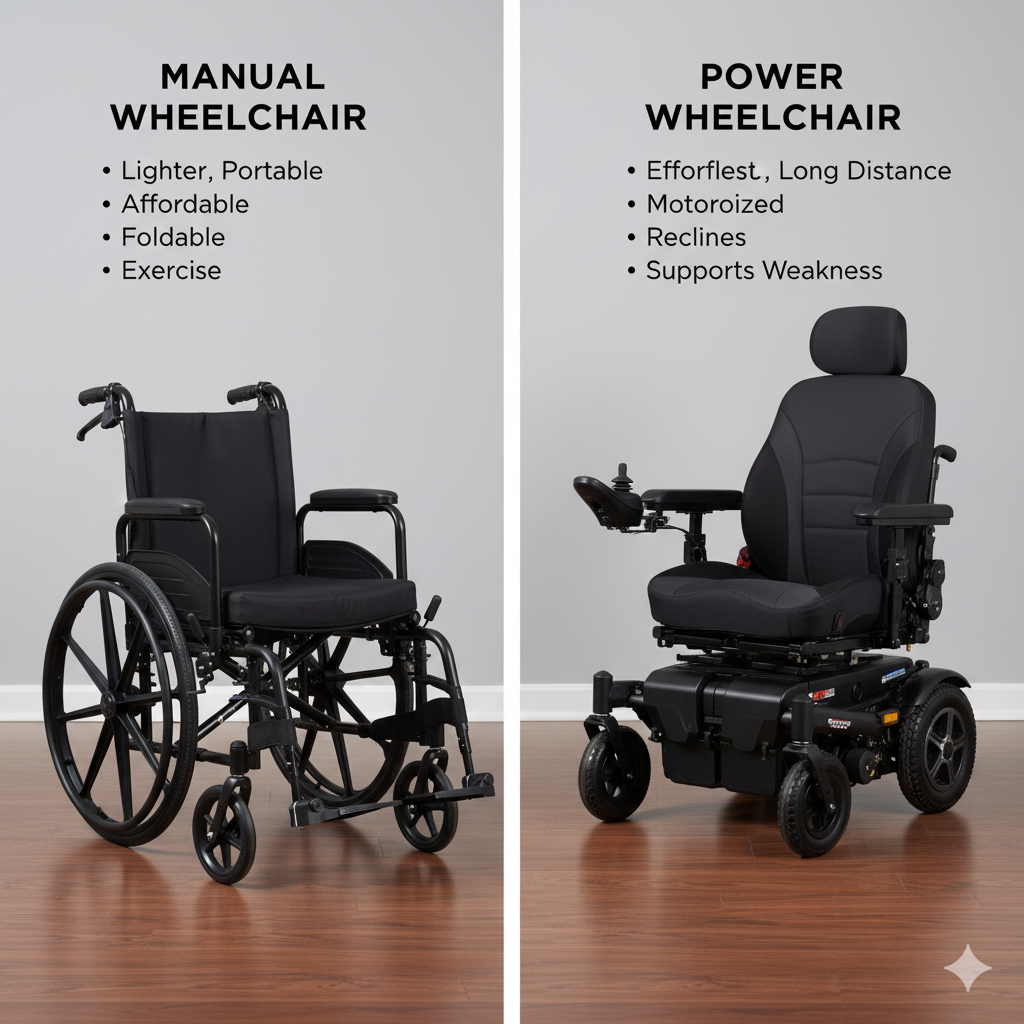
Wheelchairs provide full mobility support for those unable to walk safely for extended periods.
Types:
- Manual wheelchairs
- Transport wheelchairs
- Power wheelchairs
Pros:
| Cons:
|
5. Mobility Scooters
Best for: Seniors who can sit upright but struggle with walking long distances
Mobility scooters are battery-powered devices designed for outdoor use, shopping, and travel.
Pros:
| Cons:
|
6. Transfer & Support Aids
Best for: Assistance with sitting, standing, and transfers
These devices complement primary mobility aids and improve safety at home.
Examples:
- Grab bars
- Bed rails
- Transfer boards
- Lift chairs
Safety Tips for Using Mobility Devices
- Adjust the device to the correct height
- Ensure brakes and wheels are functioning properly
- Wear supportive, non-slip footwear
- Avoid rushing or uneven terrain
- Perform regular maintenance checks
Frequently Asked Questions
What is the best mobility device for seniors with balance problems?
Walkers and rollators are generally best for balance issues, as they provide more stability than canes.
Are mobility scooters safe for seniors?
Yes, when used correctly. Seniors should have good vision, reaction time, and the ability to sit upright safely.
Can a senior use more than one mobility device?
Yes. Many seniors use different devices for indoor and outdoor activities depending on their needs.
Do mobility devices require a prescription?
Basic aids like canes and walkers usually do not, but wheelchairs and scooters may require medical documentation for insurance coverage.
-
Final Thoughts
Mobility devices play a critical role in helping seniors maintain independence, dignity, and safety. Selecting the right mobility aid can significantly improve daily life, reduce fall risks, and promote long-term well-being. By understanding the different types of mobility devices available and matching them to individual needs, seniors and caregivers can make informed, confident decisions that support active and secure aging.


can you please suggest some buy options
[…] In the meantime, having a reliable mobility aid on hand can provide critical support. Our guide on Best Mobility Devices for Seniors covers a wide range of options to suit different […]