

Robin Dolan
Choosing the right walking shoes is not just about comfort; it directly affects your posture, joint health, and fall prevention. Poor footwear can lead to foot fatigue, ankle instability, knee pain, and even long-term alignment issues. For seniors, individuals with weak ankles, or anyone recovering from injury, stable footwear becomes even more critical.
Whether you walk daily for fitness, spend long hours standing at work, or simply want safer movement, understanding shoe structure will help you make an informed choice.
Table of Contents
Look for a Wide and Stable Base
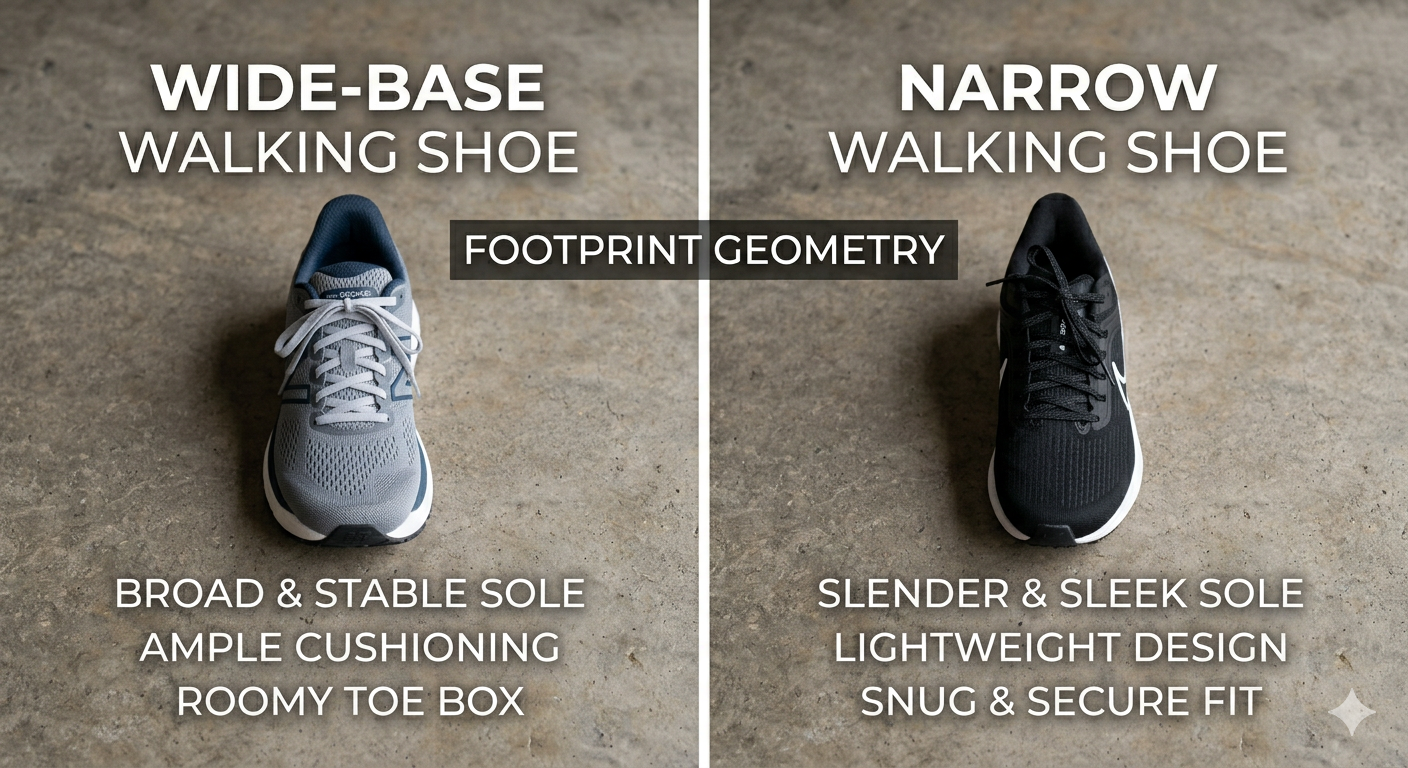
A stable walking shoe begins at the foundation the outsole. A good balance-focused walking shoe should have:
- A wide outsole (bottom platform of the shoe)
- A low heel-to-toe drop
- A strong rubber grip
- Minimal lateral wobbling
A wider base increases ground contact area, improving stability during heel strike and toe-off phases of walking. Shoes that are too narrow can create instability, especially on uneven surfaces. A lower heel-to-toe drop keeps your body’s center of gravity more aligned, reducing forward tilt and balance disruption.
Avoid:
- Narrow silhouettes
- High-heeled walking shoes
- Highly curved rocker bottoms (unless medically prescribed)
Choose Firm Arch Support
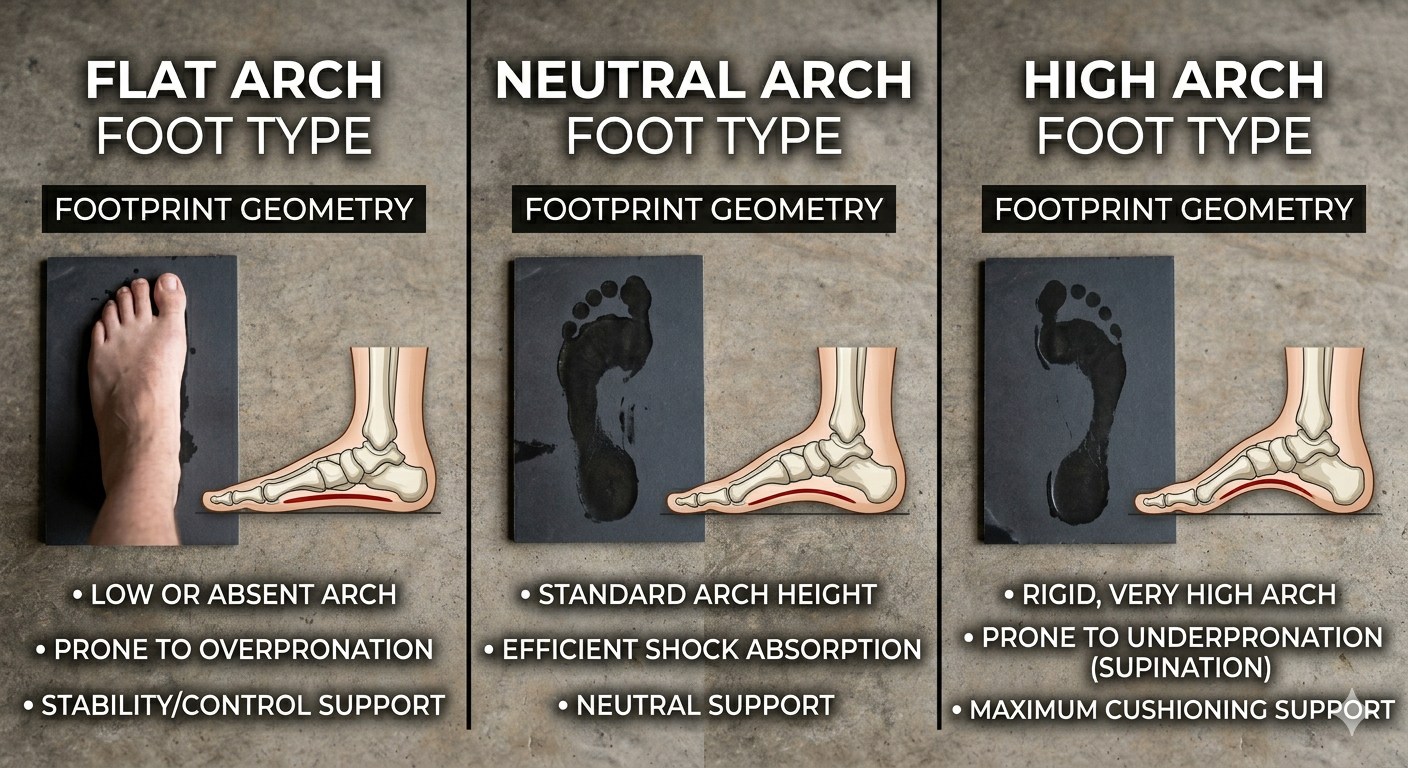
Arch support plays a biomechanical role in maintaining proper foot alignment. Without adequate support, overpronation (foot rolling inward) or supination (rolling outward) can occur — both of which compromise balance.
Identify Your Arch Type:
- Flat feet → Stability or motion-control shoes
- High arches → Cushioned shoes with structured arch support
- Neutral arches → Standard stability walking shoes
Arch support distributes body weight evenly across the foot, reducing stress on ankles, knees, and hips. If built-in support is insufficient, consider:
- Orthotic insoles
- Custom inserts prescribed by a podiatrist
Check Cushioning (But Avoid Excessive Softness)
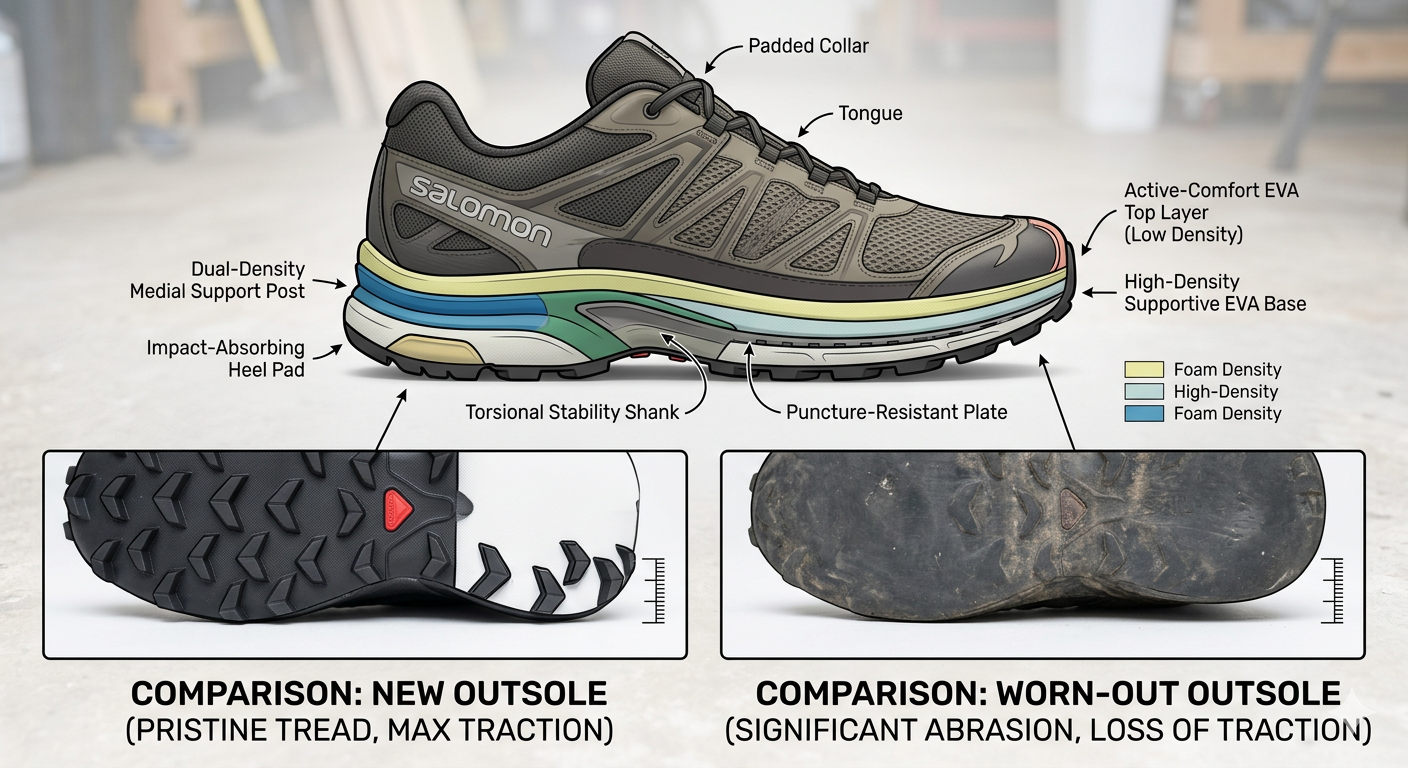
Cushioning absorbs impact forces during walking. However, overly soft midsoles can create instability by allowing excessive foot movement inside the shoe.
For optimal balance:
✔ Choose moderate cushioning
✔ Ensure the midsole feels responsive, not spongy
✔ Press the heel area; it should feel firm
✔ Twist the shoe gently, it should resist excessive bending
Balanced cushioning protects joints while maintaining ground feedback, which is essential for proprioception (your body’s awareness of position).
Look for a Firm Heel Counter
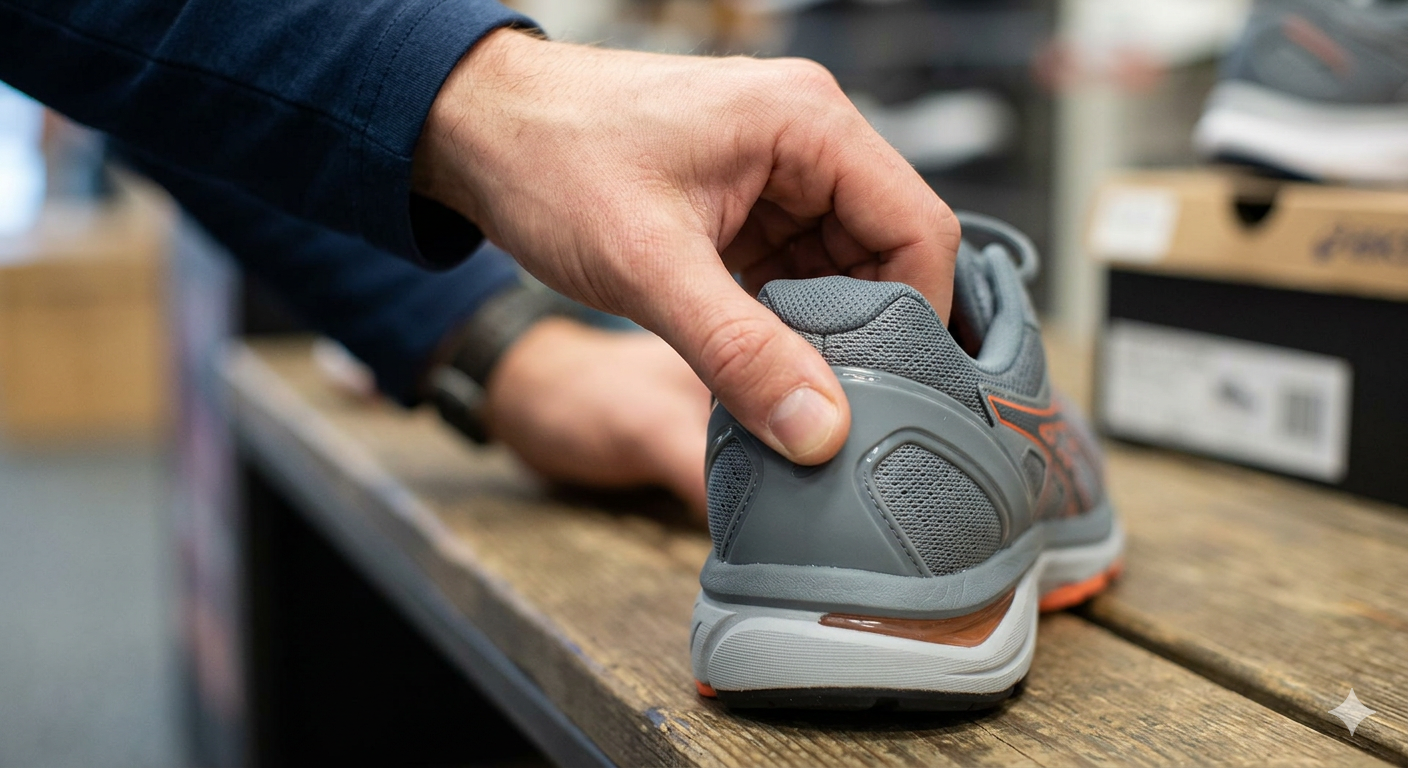
The heel counter is the structured back portion of the shoe that holds your heel securely in place. It prevents excessive rearfoot movement and reduces ankle rolling.
How to Test:
- Press the back of the shoe.
- It should feel firm and resistant.
- It should not collapse easily.
A rigid heel counter improves rearfoot alignment and enhances balance during the stance phase of walking.
Weak heel counters often cause:
- Heel slippage
- Ankle instability
Increased risk of missteps
Proper Fit is Everything
Even the most technically advanced shoe fails if it does not fit correctly.
Fitting Checklist:
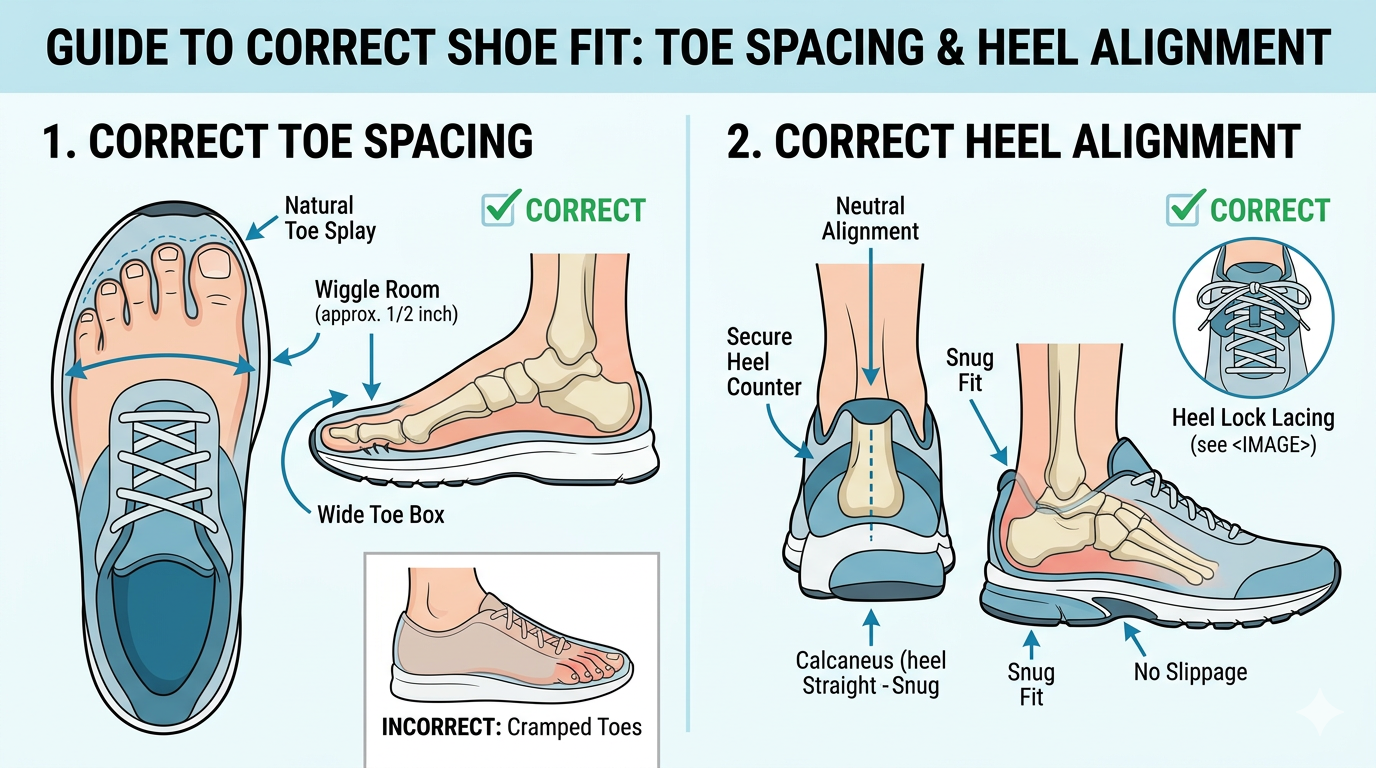
✔ Leave about half an inch of space at the front
✔ Ensure the shoe is snug but not tight
✔ Walk around before purchasing
✔ Try shoes in the evening (feet swell slightly)
✔ Wear the socks you typically walk in
Your toes should move freely, and your heel should remain locked without slipping. Poor fit causes friction, blisters, and imbalance.
Choose Non-Slip Soles
Traction is crucial, especially if you walk on:
- Tile floors
- Wet surfaces
- Outdoor sidewalks
- Sloped paths
Look for:
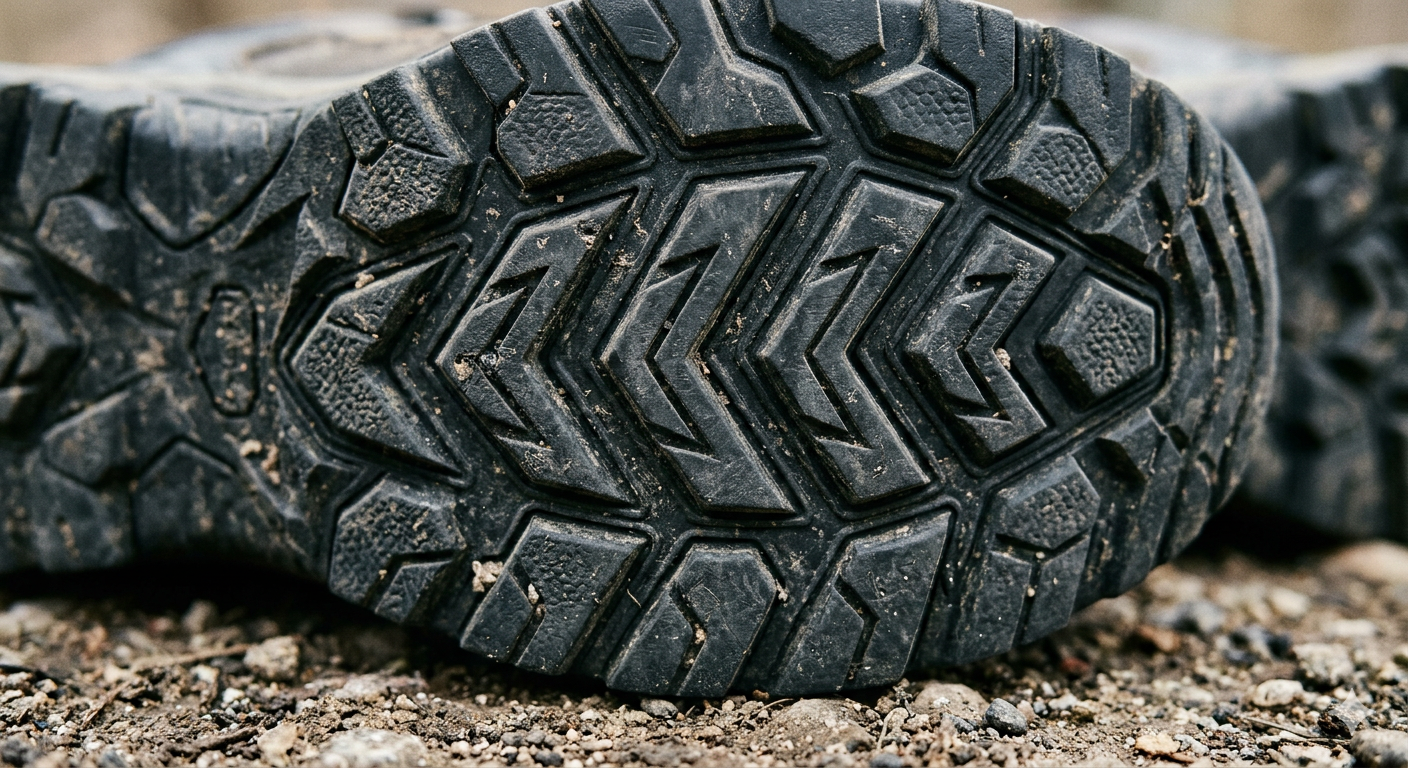
- Deep tread patterns
- Durable rubber outsoles
- Multi-directional grip design
Non-slip soles enhance stability when the surface changes unexpectedly.
Consider Lightweight Design
Heavy shoes increase muscular fatigue and can subtly affect walking mechanics. Lightweight walking shoes reduce energy expenditure and improve stride efficiency.
However, avoid ultra-minimal shoes lacking structural support. The goal is lightweight with stability features.
Materials to look for:
- Engineered mesh uppers
- EVA foam midsoles
Reinforced heel and midfoot zones
Replace Shoes on Time
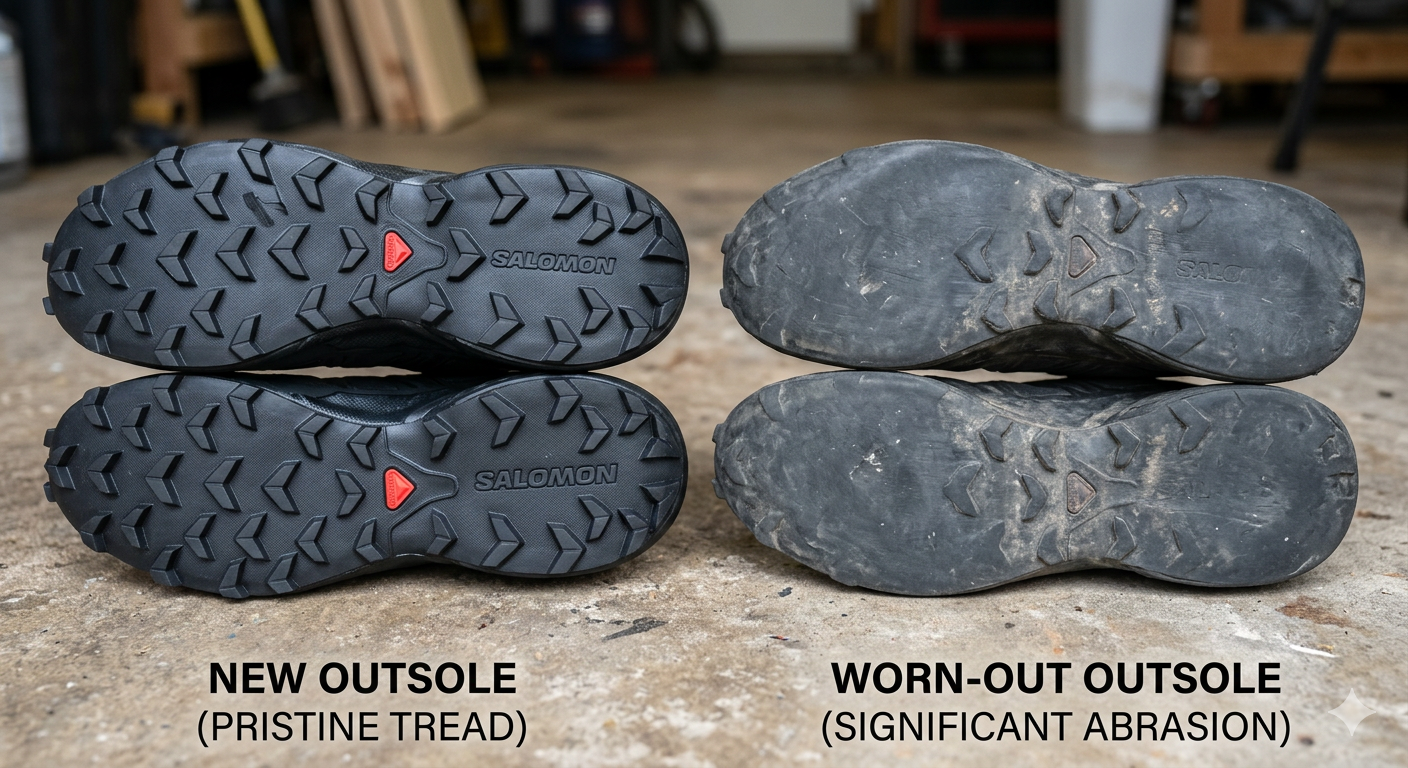
Walking shoes lose shock absorption and structural integrity over time.
General replacement guideline:
- Every 300–500 miles
- When tread patterns wear down
- When cushioning feels compressed
- If you notice uneven sole wear
Worn-out shoes compromise stability and increase fall risk.
Frequently Asked Questions
What type of walking shoes are best for balance?
Shoes with a wide base, firm heel counter, moderate cushioning, structured arch support, and non-slip rubber soles are best for stability.
Are soft cushioned shoes good for stability?
Extremely soft shoes may feel comfortable but can reduce balance. Moderate cushioning with firm support is preferable.
How do I know if a walking shoe fits properly?
You should have half an inch of toe space, no heel slippage, and comfortable toe movement.
Do arch supports improve balance?
Yes. Proper arch support keeps the foot aligned and distributes body weight evenly.
How often should walking shoes be replaced?
Typically, after 300–500 miles or when cushioning and tread begin to wear.
Are lightweight shoes better?
They reduce fatigue but must still offer strong structural support.
-
Final Thoughts
Selecting walking shoes for balance and stability requires attention to biomechanics, not just style. Focus on:
- Wide, stable base
- Firm heel counter
- Structured arch support
- Moderate cushioning
- Non-slip outsole
- Proper fit
The right pair will feel secure from the first step and support your natural gait without instability. Investing in quality walking shoes improves posture, reduces joint strain, and most importantly, helps you move confidently and safely every day.
-
References
7 Best Stability Walking Shoes in 2025 https://runrepeat.com/guides/best-stability-walking-shoes
The importance of Arch support: What you need to know for healthy feet
https://batemansfootwear.ie/blogs/news/the-importance-of-arch-support-what-you-need-to-know-for-healthy-feet
How Firm Heel Counters Alleviate Foot Pain
https://thefitville.com/blogs/blog/how-firm-heel-counters-alleviate-foot-pain
Best Walking Shoes for Drop Foot and Weak Ankles: Stability Features You Shouldn’t Miss
https://cadense.com/blogs/cadense-cares/best-walking-shoes-for-drop-foot-and-weak-ankles-stability-features-you-shouldn-t-miss

Many ignore this topic to the extent that i have to do a lot of research just to find good shoes for me, this helps a lot