

Amir Abbasi
Key Summary
Osteoarthritis affects balance, strength, and movement in seniors. Joint pain and stiffness increase the likelihood of falls. Proper support, exercise, and fall-prevention strategies can reduce risk.
As people age, joint health becomes a major concern. One of the most common conditions affecting older adults is osteoarthritis, a degenerative joint disease that can significantly impact mobility. A common and important question many families ask is: Can osteoarthritis increase the risk of falls in seniors?
The short answer is yes, and understanding why is essential for prevention and safety.
Table of Contents
What Is Osteoarthritis?
Osteoarthritis (OA) occurs when the protective cartilage that cushions the joints gradually wears away. It most commonly affects the knees, hips, hands, and spine, especially in older adults.
Common symptoms include:
- Joint pain and stiffness
- Swelling or tenderness
- Reduced range of motion
- Difficulty walking or standing for long periods
Over time, these symptoms can interfere with balance, coordination, and daily movement.
How Osteoarthritis Increases Fall Risk in Seniors
Osteoarthritis does not directly cause falls, but it creates conditions that make falls more likely.
Joint Pain and Weakness
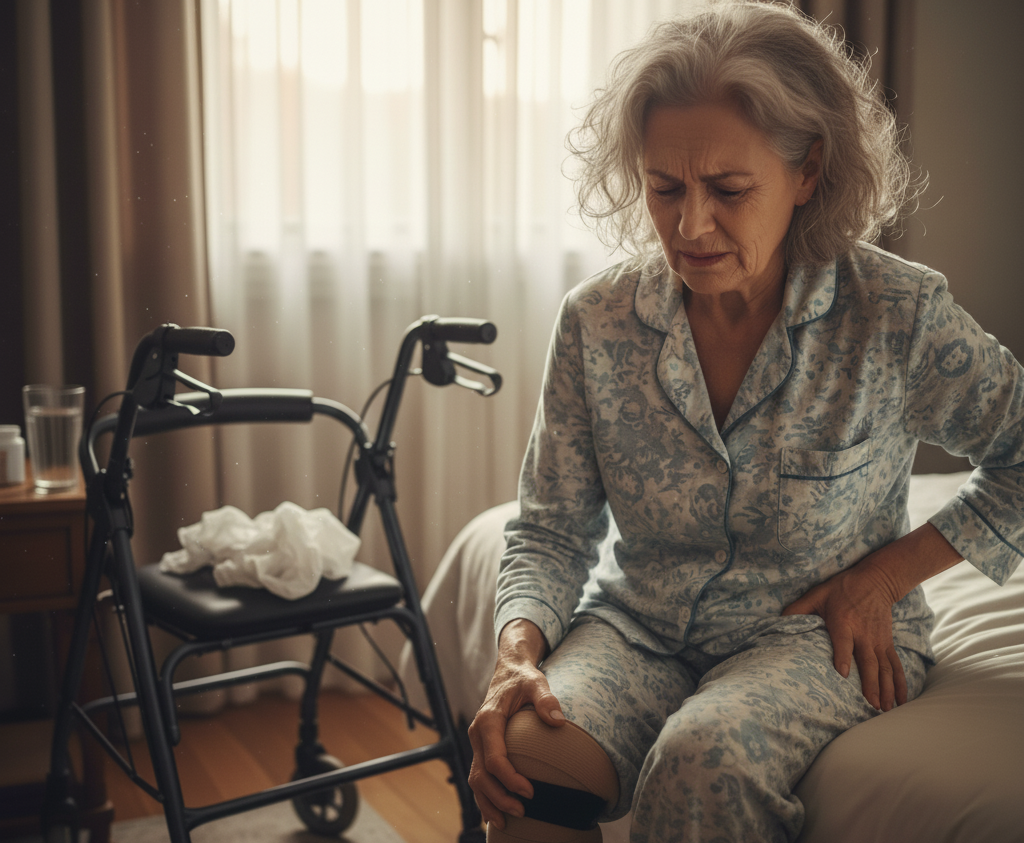
Painful joints make walking uncomfortable. Seniors may limp, walk slowly, or shift weight unevenly, increasing instability.
Reduced Balance and Stability
Limited joint movement affects posture and balance reactions, making it harder to recover from a slip or stumble.
Muscle Weakness
Pain often leads to reduced activity. Less movement results in weaker leg muscles, which are critical for maintaining balance.
Stiffness After Rest
Stiff joints after sitting or sleeping can make sudden movement risky, especially when standing up quickly.
Fear of Movement
Fear of pain can cause hesitant or unnatural walking patterns, which paradoxically increases fall risk.
Why Falls Are Dangerous for Older Adults
Falls are a leading cause of injury among seniors. For those with osteoarthritis, falls can result in:
- Hip or wrist fractures
- Head injuries
- Loss of mobility and independence
- Extended recovery periods
How Seniors with Osteoarthritis Can Reduce Fall Risk
Although osteoarthritis cannot be cured, fall risk can be managed effectively.
Practical Safety Measures
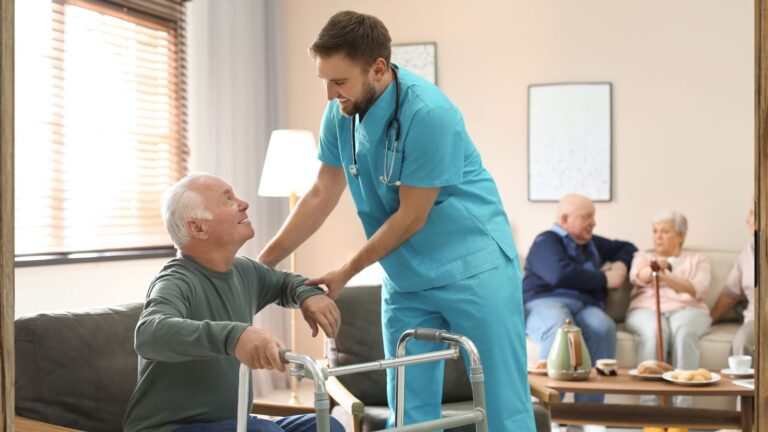
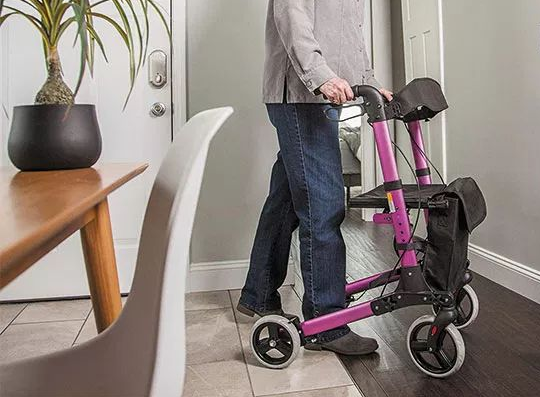
- Use walking aids such as walkers or canes
- Wear supportive, non-slip footwear
- Keep floors clutter-free and well-lit
- Install grab bars in bathrooms and hallways
- Stand up slowly from sitting or lying positions
Stay Active with Low-Impact Exercise
Gentle activities like walking, stretching, chair exercises, or water aerobics help improve strength and flexibility without stressing the joints.
Manage Pain Properly
Effective pain management through medical guidance, physical therapy, or lifestyle changes helps seniors move with confidence and control.
Frequently Asked Questions
Can osteoarthritis directly cause falls?
Osteoarthritis does not directly cause falls, but it increases fall risk by affecting balance, strength, and mobility.
Which joints increase fall risk the most?
Osteoarthritis in the knees and hips poses the highest fall risk because these joints support body weight and movement.
Can walking aids help seniors with osteoarthritis?
Yes. Walkers and canes provide added stability, reduce joint strain, and significantly lower fall risk.
Is exercise safe for seniors with osteoarthritis?
Low-impact exercises are not only safe but recommended. They strengthen muscles and improve balance when done correctly.
Should seniors with osteoarthritis avoid walking?
No. Avoiding movement can worsen muscle weakness. Walking with proper support is beneficial.
-
Final Thoughts
Yes, osteoarthritis can increase the risk of falls in seniors, mainly by affecting pain levels, balance, and muscle strength. However, with the right support, lifestyle adjustments, and preventive measures, seniors can stay mobile, confident, and safe.
Focusing on joint health today can help protect independence and prevent dangerous falls tomorrow.

are there articles similar to this for common fractures for the seniors and elderly ? these seem to be well researched and useful